Month: February 2026
Insightful
Insightful; Many ancient sources on the life of Shri Shankara Bhagavatpadacharya and the Mathas were cited. Our appreciation to the two erudite scholars in the show.
Clarifying the 1930 Srimukham Source:
For many years, political history researchers in Tamil Nadu stated that Periyar-E. V. Ramasamy Naicker had received a Srimukham in 1930 from the Tunga Sringeri Matha, though the Matha itself never issued any official confirmation or denial.
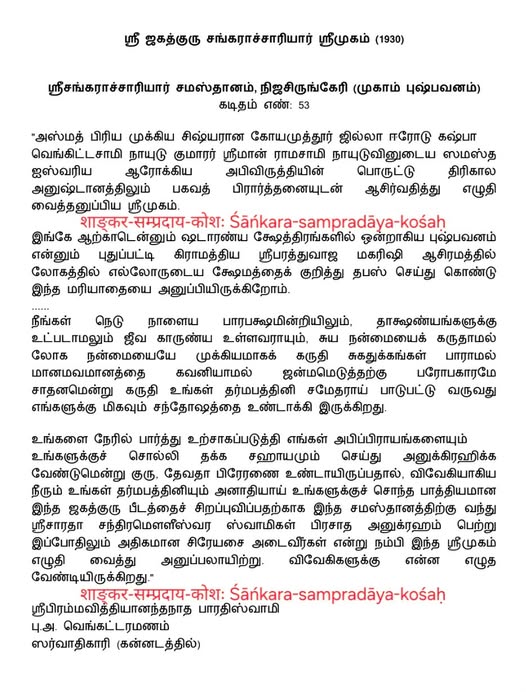
However, a closer examination of the life events of Shri Brahmavidyanandanatha Bharathi Swami, along with references in the Tamil newspaper Kudi-Arasu, clarifies the position: the 1930 Srimukham addressed to E.V.R. was actually issued by Shri Brahmavidyanandanatha Bharathi Swami, who styled himself the Nija Sringeri (Avani) Peethadhipati, from his camp at Pudupatti near Arcot.
The confusion arose because E.V.R.’s adherents attributed the Srimukham to the Tunga Sringeri Matha, since it mentioned “Nija Sringeri.”
Thus, the long-standing confusion now stands resolved.
An extract from the Srimukham is reproduced below.
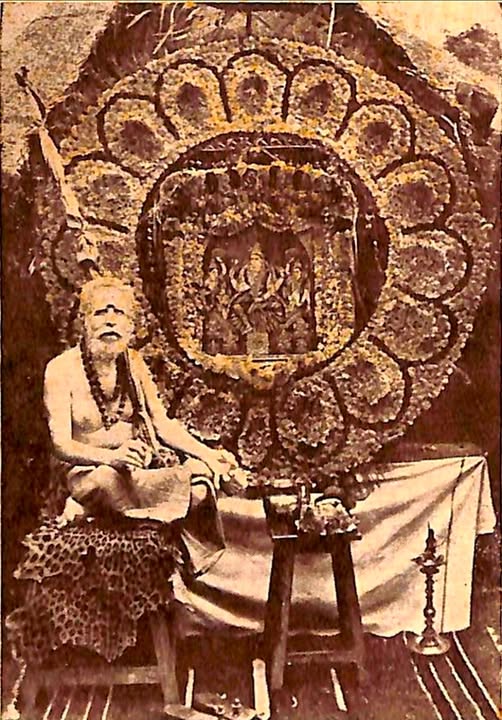
Shri Brahmavidyanandanatha Bharathi (Shri Omkarananda Swami)..3
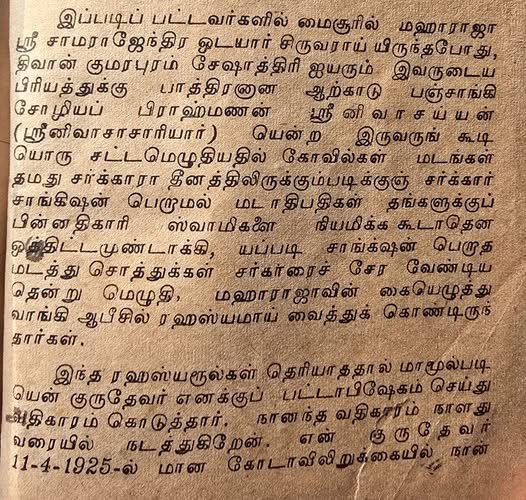
A Short Note on Shri Brahmavidyanandanatha Bharathi (Shri Omkarananda Swami)..2
The Swami states that neither he nor his Guru was aware of the newly introduced law of the Mysore Government requiring prior permission for the nomination of a junior Swami of a matha and therefore the nomination could not be intimated to the authorities within the prescribed time.. etc.
A Short Note on Shri Brahmavidyanandanatha Bharathi (Shri Omkarananda Swami)..1
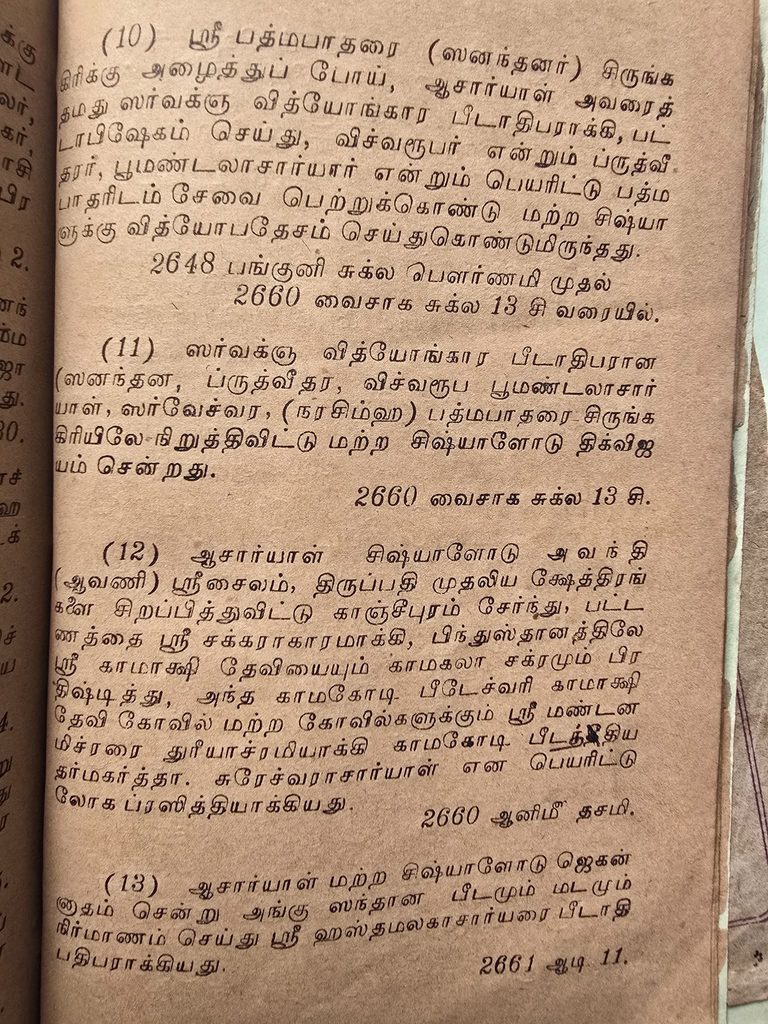
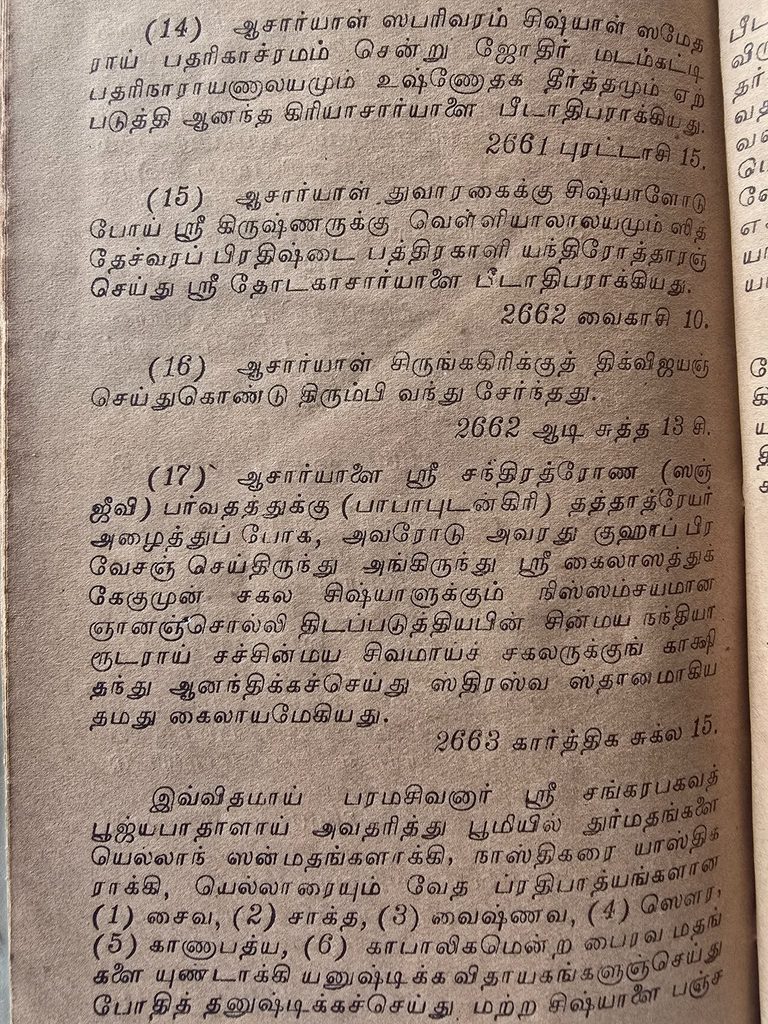
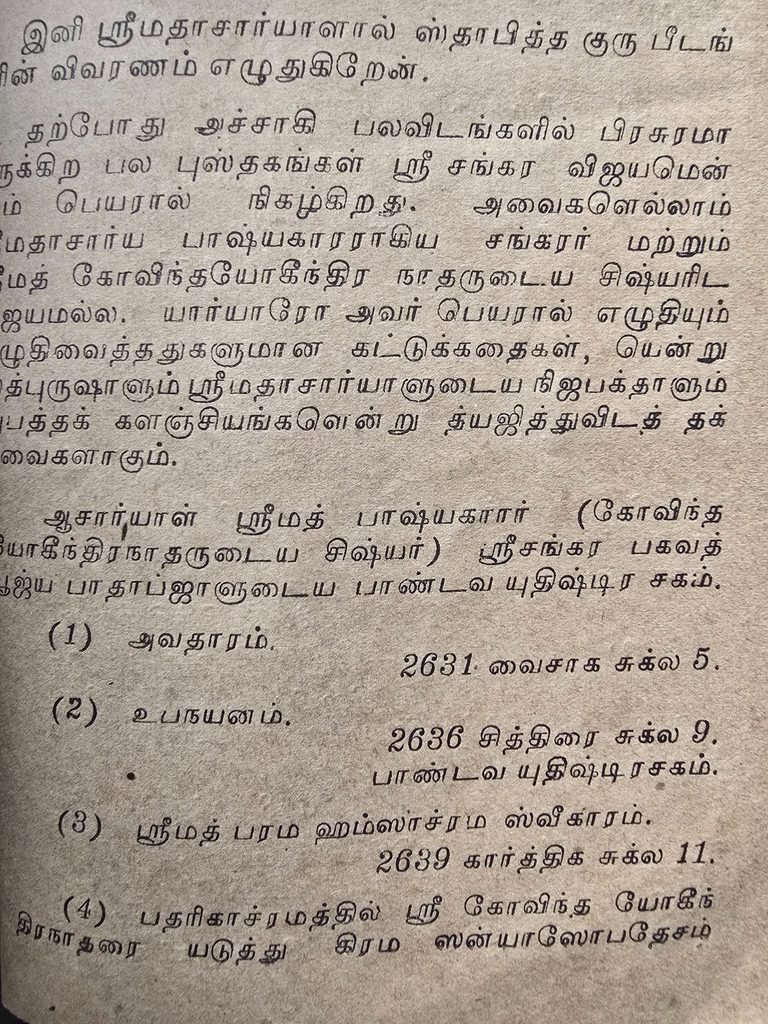
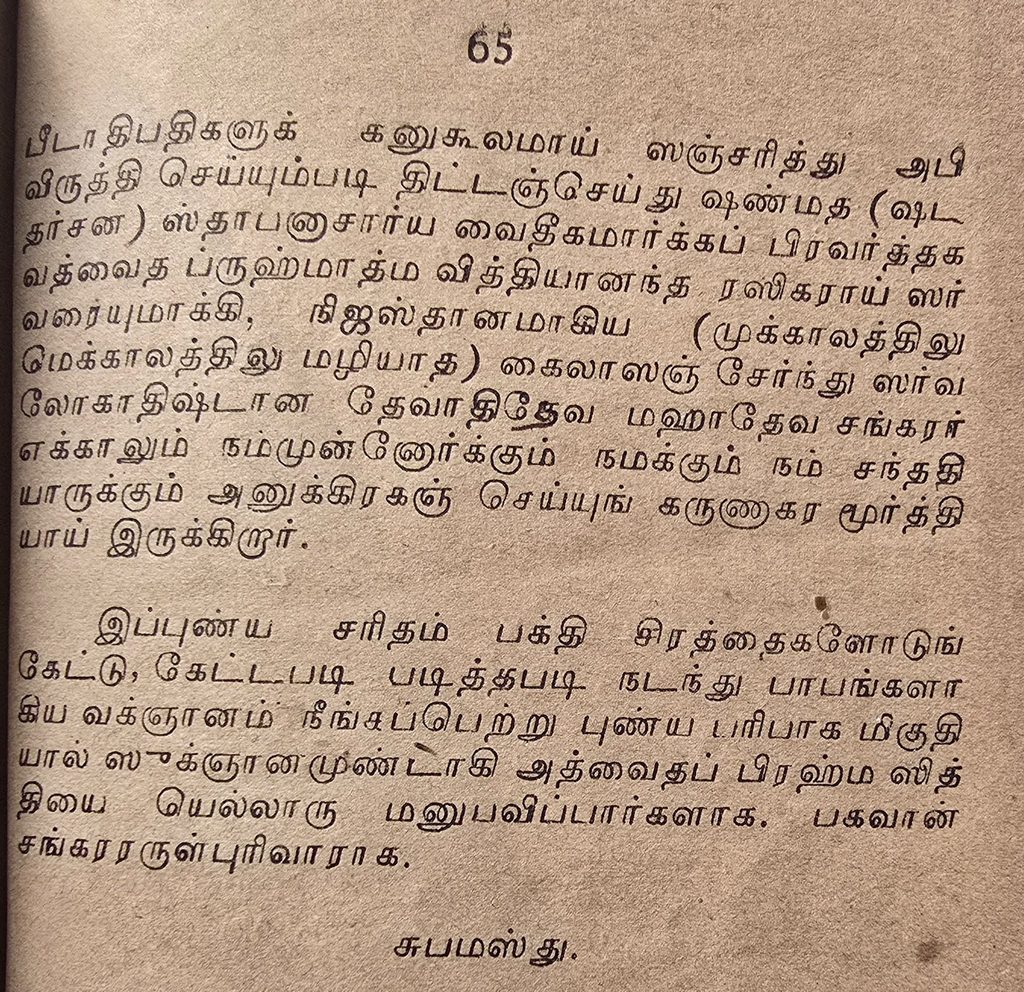
Shri Brahmavidyanandanatha Bharathi, also known as Omkarananda Swami, an erudite scholar who was a householder in his purvashrama.
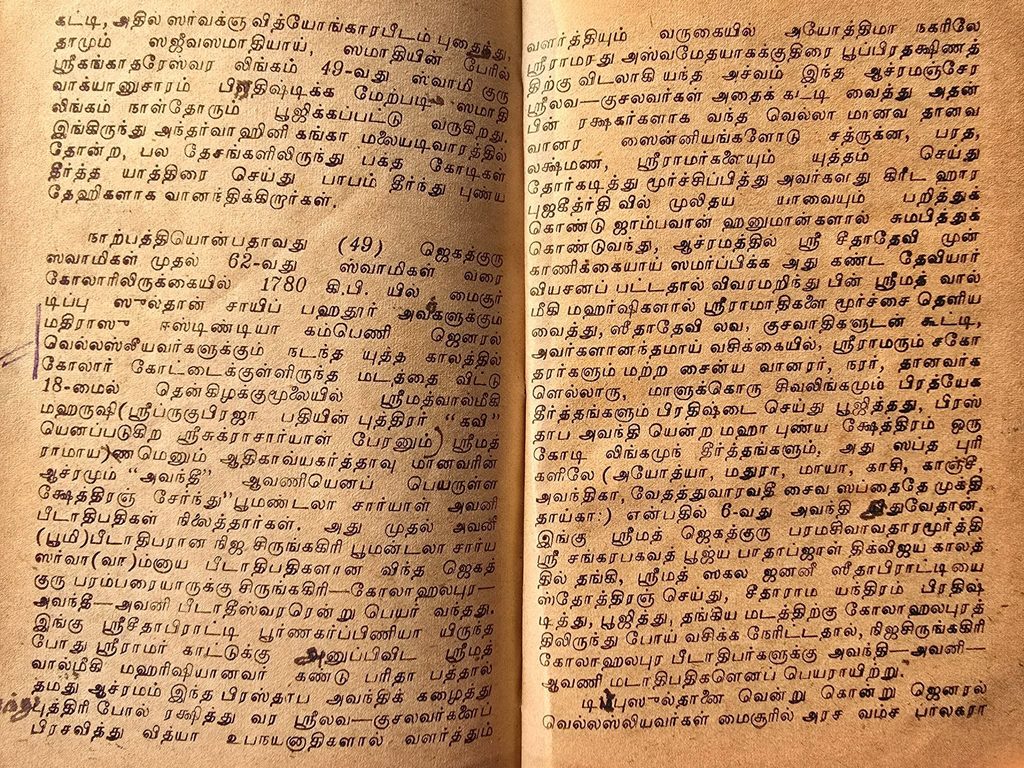
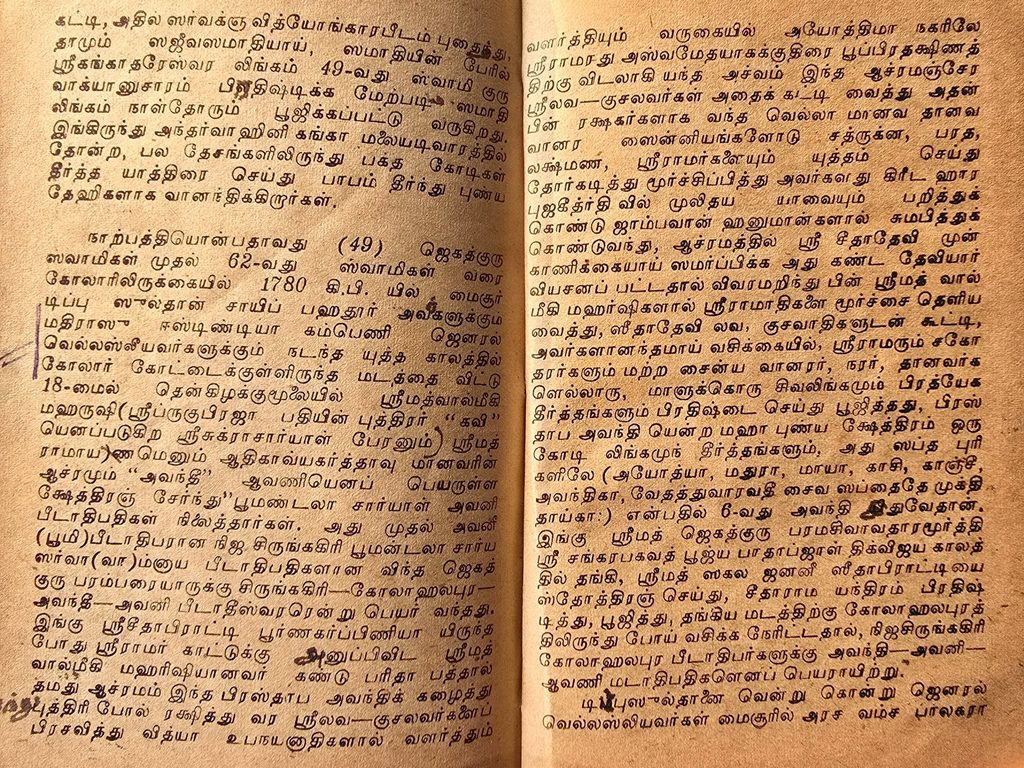
Shri Abhinavoddhanda Vidyaranya Bharathi Swami of Avani Matha attained videha mukti on 11.04.1925 while he was touring in the Nizam states. Later, Shri Omkarananda Swami forwarded his claim that since he had been initiated into sanyasashrama by the Avani Peethadhipathi in 1916 at the Karungundikuppam camp, he was the rightful successor to the ancient Avani Peetha. It was also claimed that his Guru had handed over the Matha deities, authorised him to act as Peethadhipathi and sent him to his Mysore jurisdiction in order to exercise such authority.
All these claims were vehemently opposed by the selection committee of disciples of the Matha formed by the Mysore Government. Finally, the Government, after considering the committee’s resolutions and the opinions of learned scholars of the time rejected his claim.
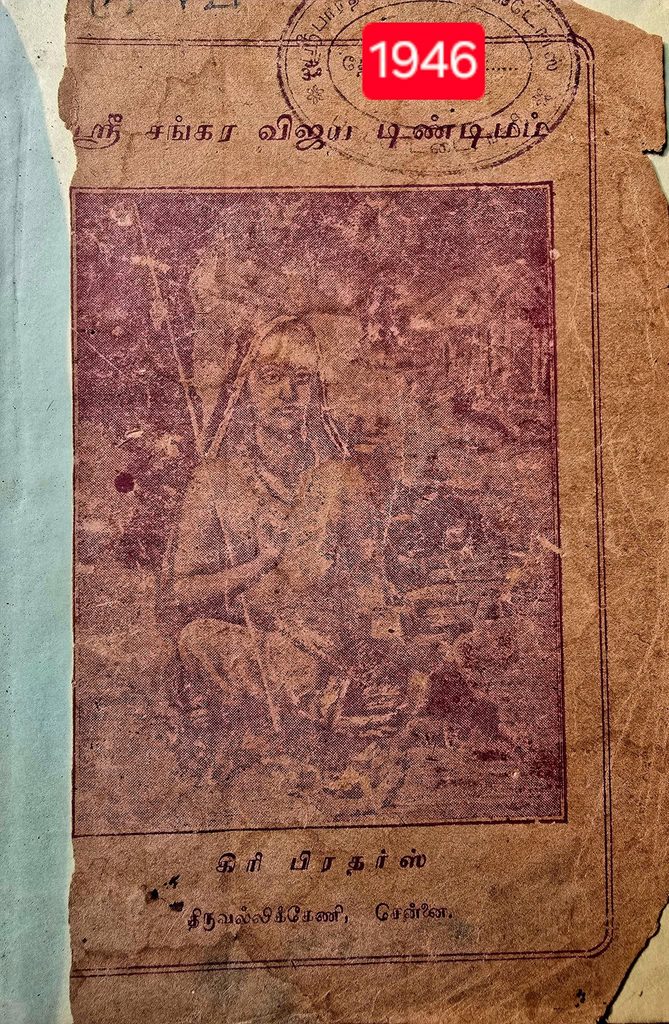
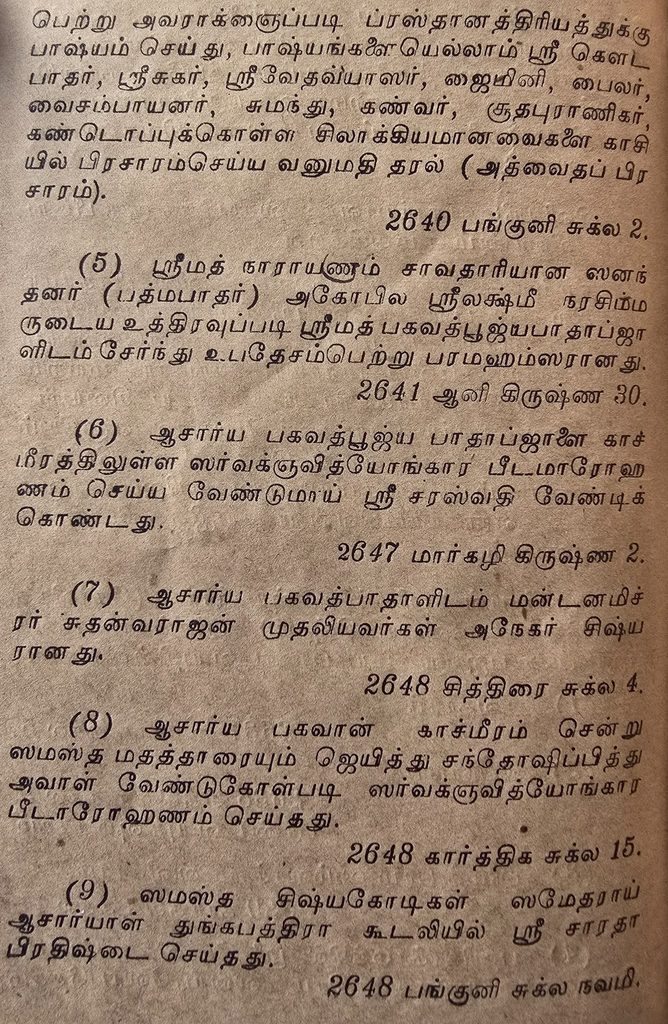
Despite this, the Swami continued to assert his claim until 1946, when, at the age of 97 years, he finally attempted to ascend the Peetha with the support of his followers. Even at this advanced age, Shri Brahmavidyanandanatha Bharathi Swami wrote “Shri Shankaravijaya Dindima”, published by Giri Brothers, Triplicane, Madras, in which he set out several historical details from his own point of view relating to Shankaravijaya literature, Shankarite institutions, and Guruparampara of various mathas.
Yatis in 19th and early 20th centuries
In the 19th and early 20th centuries, some yatis, despite being fully eligible and part of the Shankara tradition, could not become heads of their guru mathas. Their names appear in legal and historical records of Shankarite institutions. Their claims for the gadi had led to long legal battles causing many hurdles including serious financial hardship to the duly installed Mathadhipatis. Some of them eventually established new Advaita mathas.
More details soon.