iii. Upanishad Brahmendra II – Commentator of 108 Upanishads. (Vasudevendra Sarasvati had two other Sishyas Krishnananda Sarasvati and Svayamprakasa Sarasvati)
iv. Rama Brahmendra Sarasvati (Disciple of Svayamprakasa Sarasvati author of Tatvasangraha Ramayana, Ramayana Tatvadarpana and various other works)
v. Anantananda Sarasvati
vi. Gnanendra Sarasvati
vii. Vasudevendra Sarasvati
viii. Brahmanendra Sarasvati
ix. Ishtasiddindra Sarasvati
X. Krishnanandendra Sarasvati
X. Anantanandendra Saraswati
Anantanandendra Sarasvati, author of Vedanta Sara Sangraha (Ramayana Printing Press, Madras) says that he is the sishya of one Mahadevendra Sarasvati who was the prasishya (grand disciple) of Upanishad Brahmendra Sarasvati.
He says that Mahadevendra Sarasvati had 10 sishyas of whom he was one and that he consecreted a Sivalinga at Virunchipuram.
Upanishad Brahmendra Matha is situated in Kanchipuram. Upanishad Brahmendra Sarasvati was a disciple of one Sri Vasudevendra Sarasvati. He was also known as Sri Ramachandrendra Sarasvati.
Upanishad Brahmenrda wrote commentaries on all the 108 Upanishads. He seems to have lived during the 18th century. At the end of the commentary on the Muktikopanishad, he says, he completed it on 17-12-1751. His writings come to about 45,000 granthas. His contributions to Advaita is voluminous.
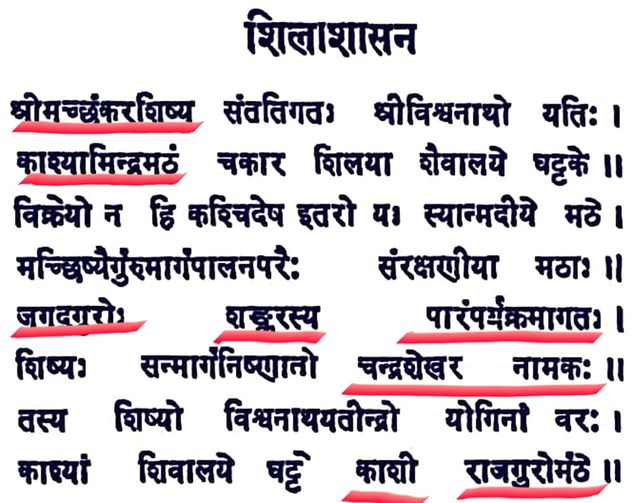
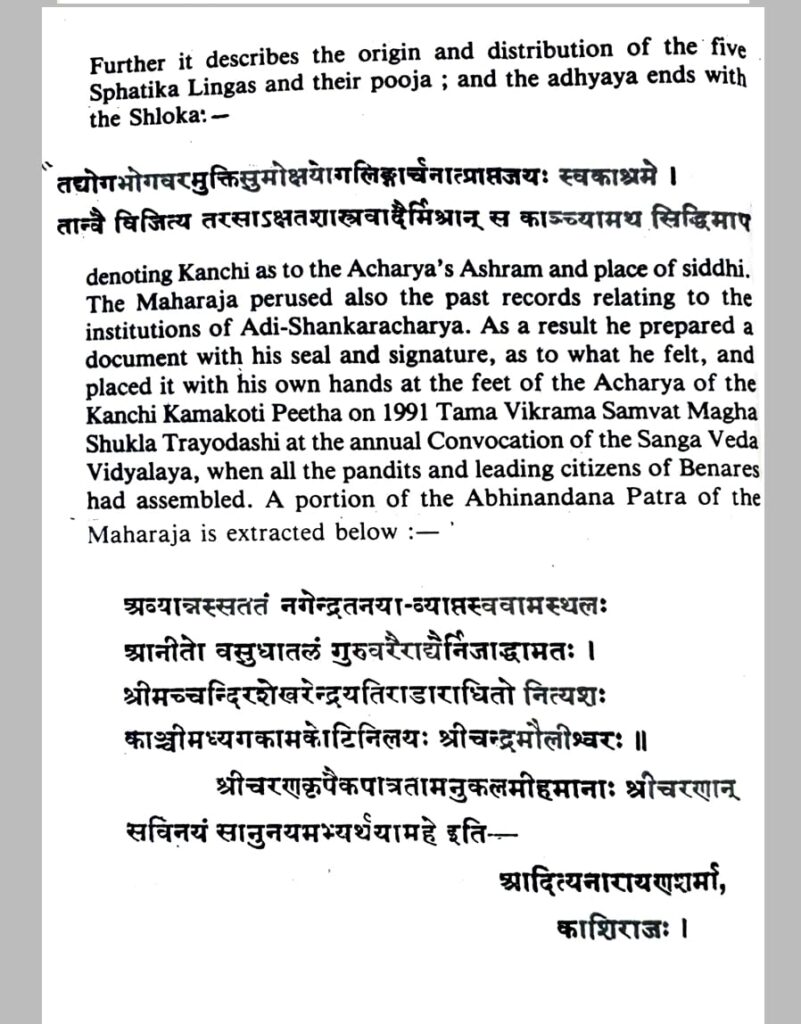
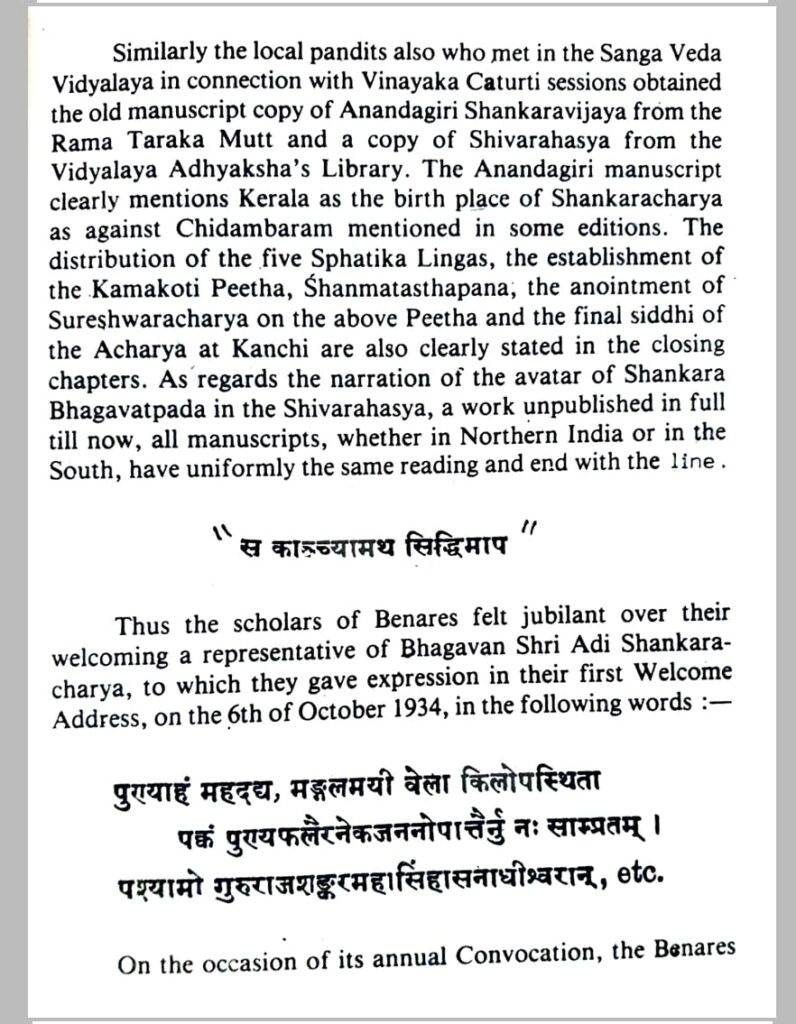
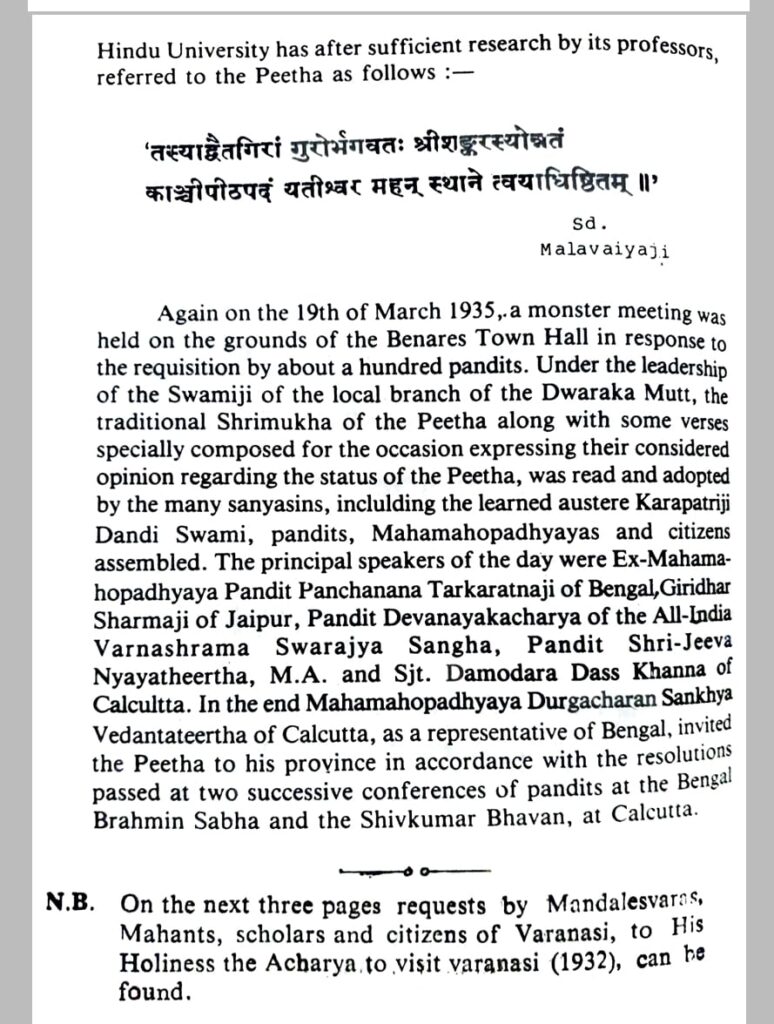
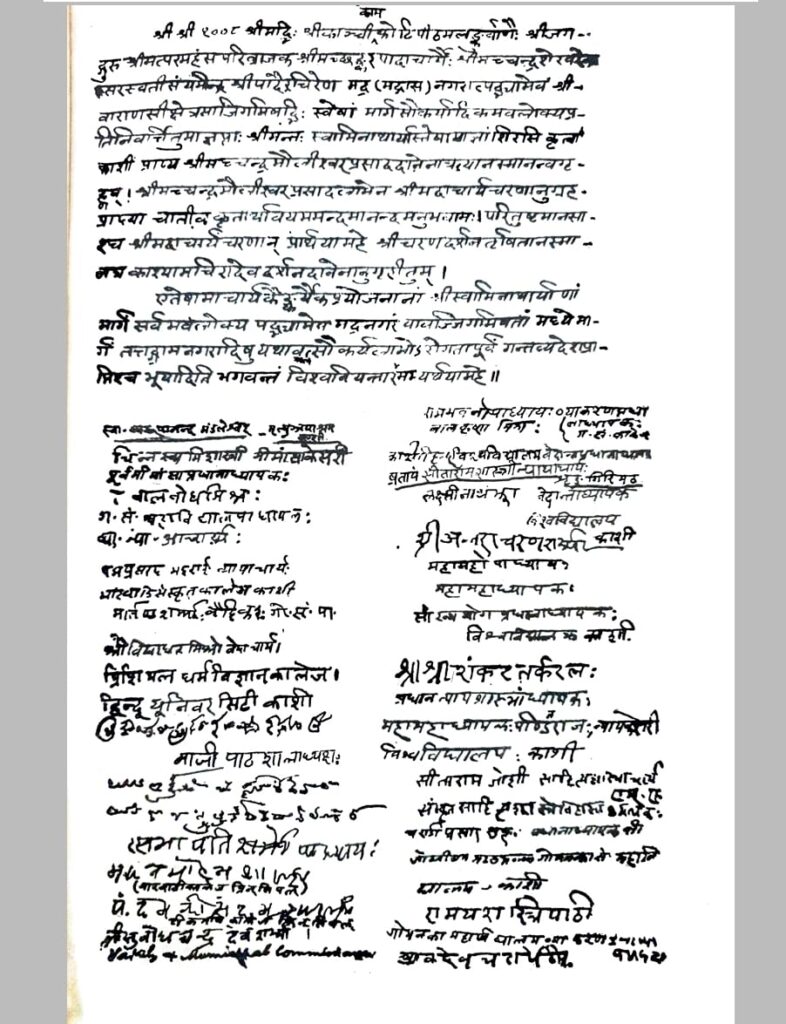
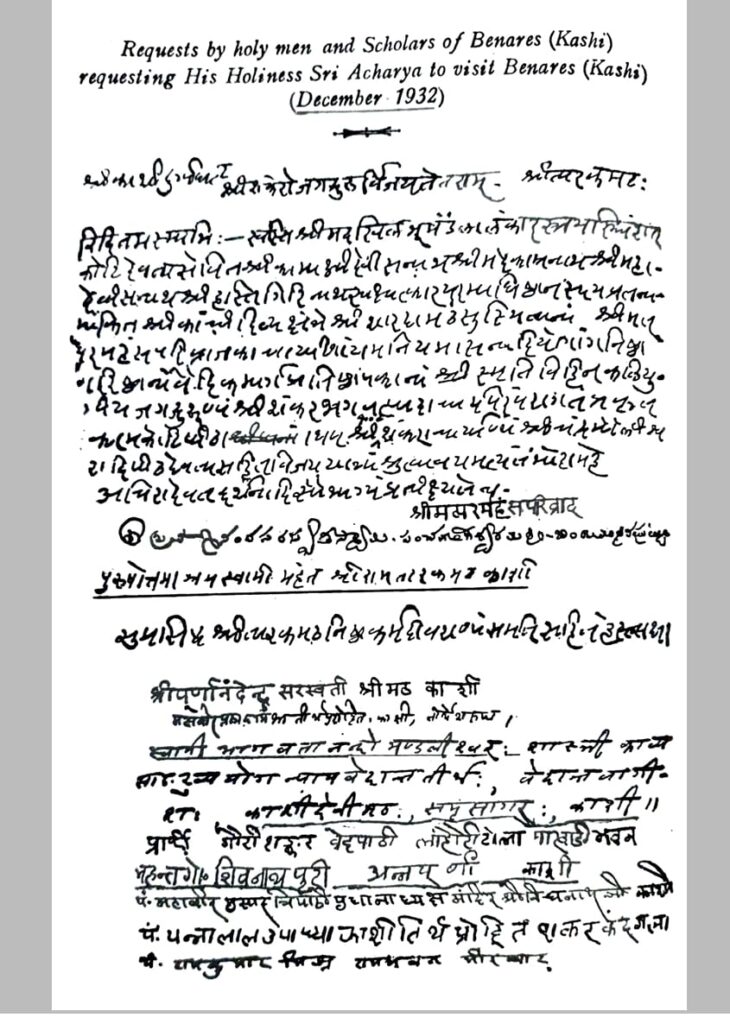
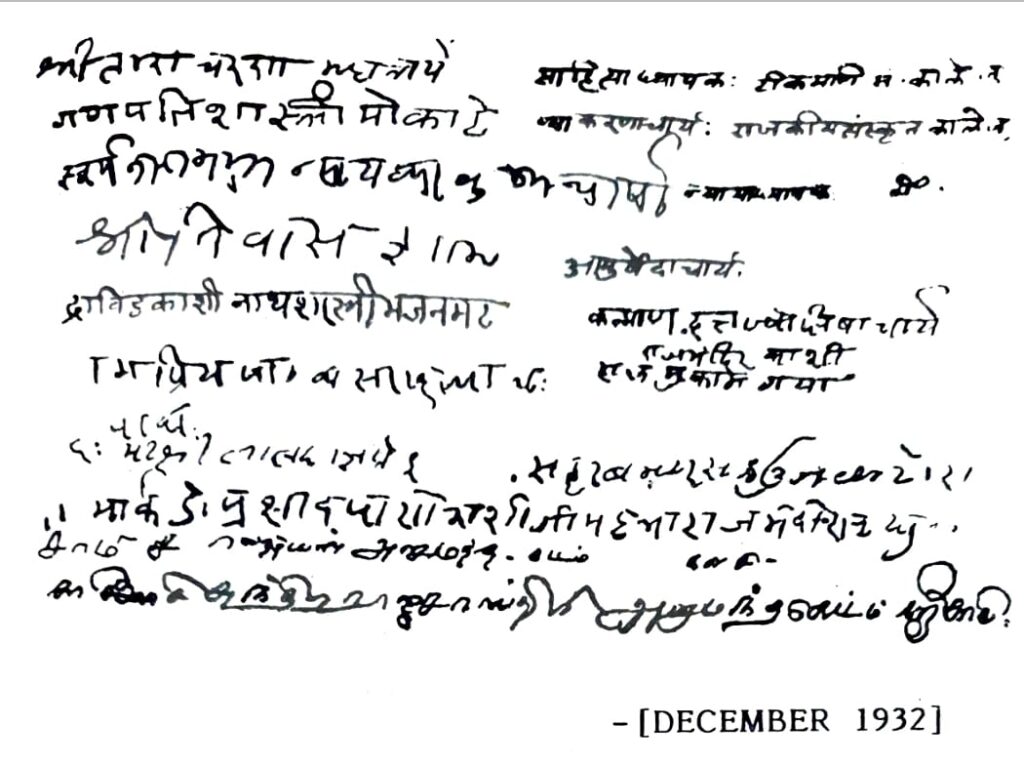
In Benares there is a Sankarite institution called Brahmendra Matha in the Shivala Ghat. There is an inscription dated Vikrama Samvat 1941 Salivahana Saka 1806 (1884 C. E.) which refers to Sankaracharya, indicating thereby that a parampara of Sri Sankaracharya with “Indrapatta” existed in the 19th century at Benares. Visvanatha yatindra who is referred to in this inscription was a disciple of Sri Chandrasekharendra Sarasvati, the 64th Acharya Kanchi Kamakoti Matha.
There is a tradition in Benares that a sanyasi belonging to this Matha once visited Benares. At that time the Maharaja of Benares was suffering from some disease. The Sanyasi cured him of this disease. The Maharaja wanted to do something in acknowledgement of this help.
The Sanyasi wanted that a Matha may be constructed in Kasi for his stay. The Maharaja gave the necessary land for the Matha and the Matha was constructed, funds being given from the original Upanishad Brahmendra Matha. That is the Matha, now known as the Brahmendra Matha in Kasi.
Vasudeva Brahmendra Sarasvati of Upanishad Brahmendra Matha was the author of “Sastra Siddanta Lesa Tatparya Sangraha “.
According to the introduction to this book published in 1926 written by one Mayavaram Vaidyanatha Sastri, this Vasudeva Brahmendra Sarasvati was a disciple of one Krishnanandendra Sarasvati who was himself a disciple of Upanishad Brahmendra Sarasvati.
Ramabrahmendra, disciple of Svayamprakasendra Saraswati lived in Benares. He was the author of the work Ramabrahmendra Pancadashi.
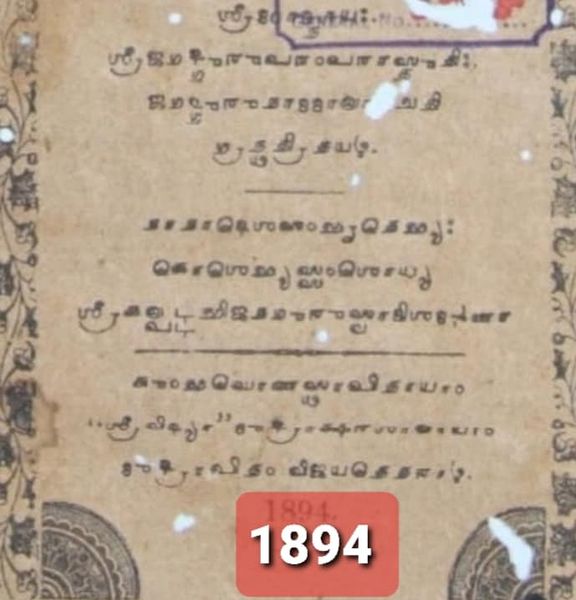
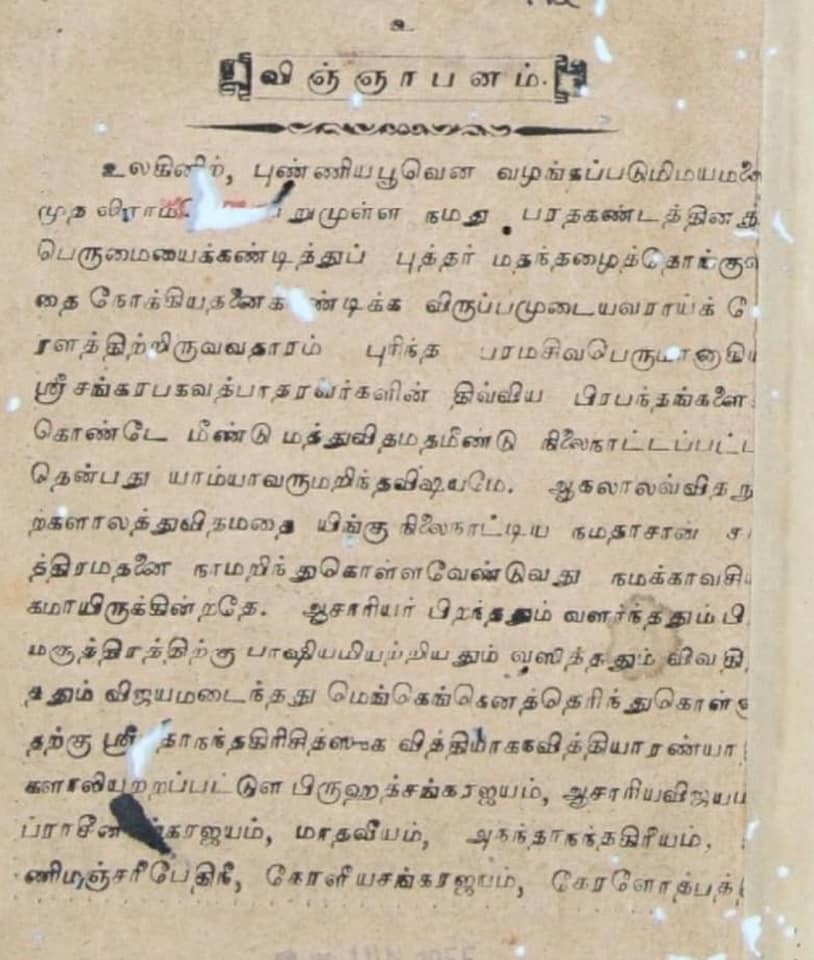
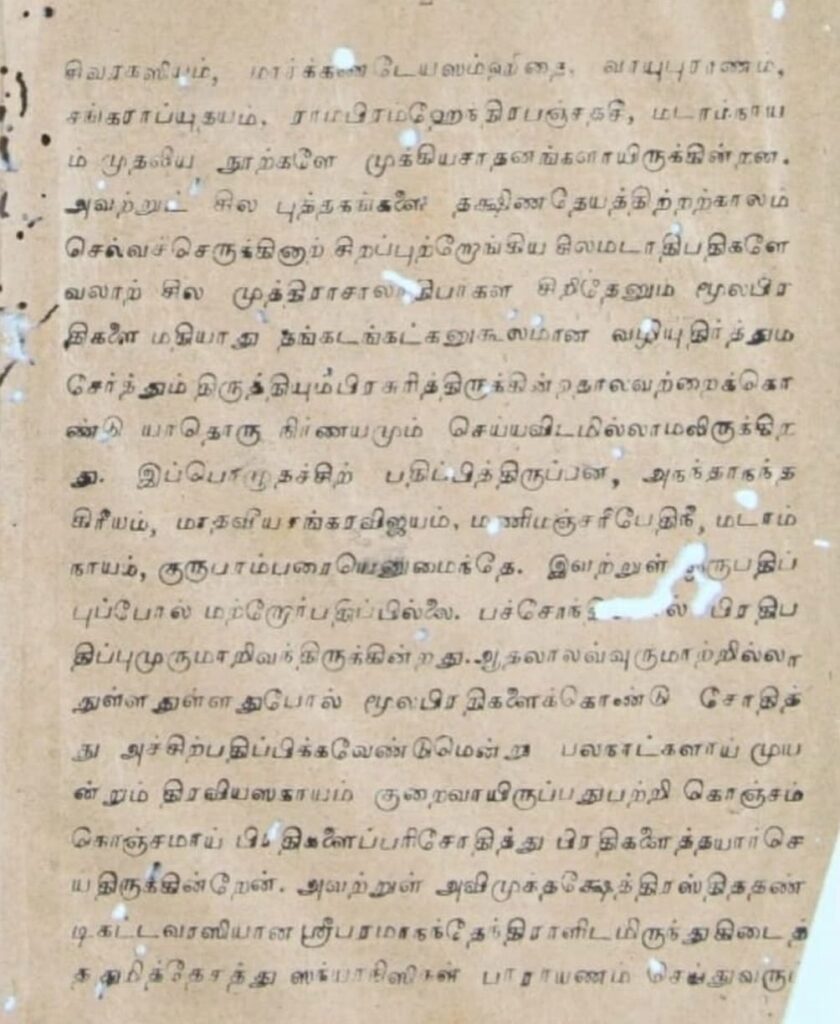
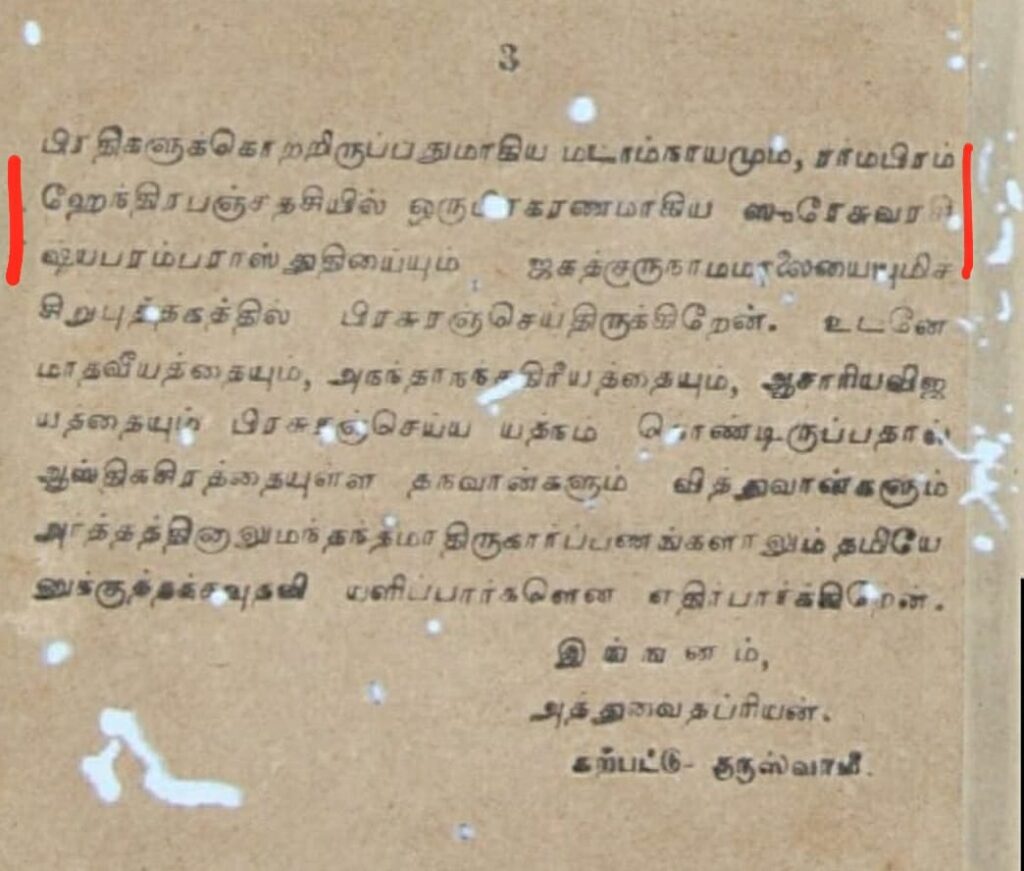
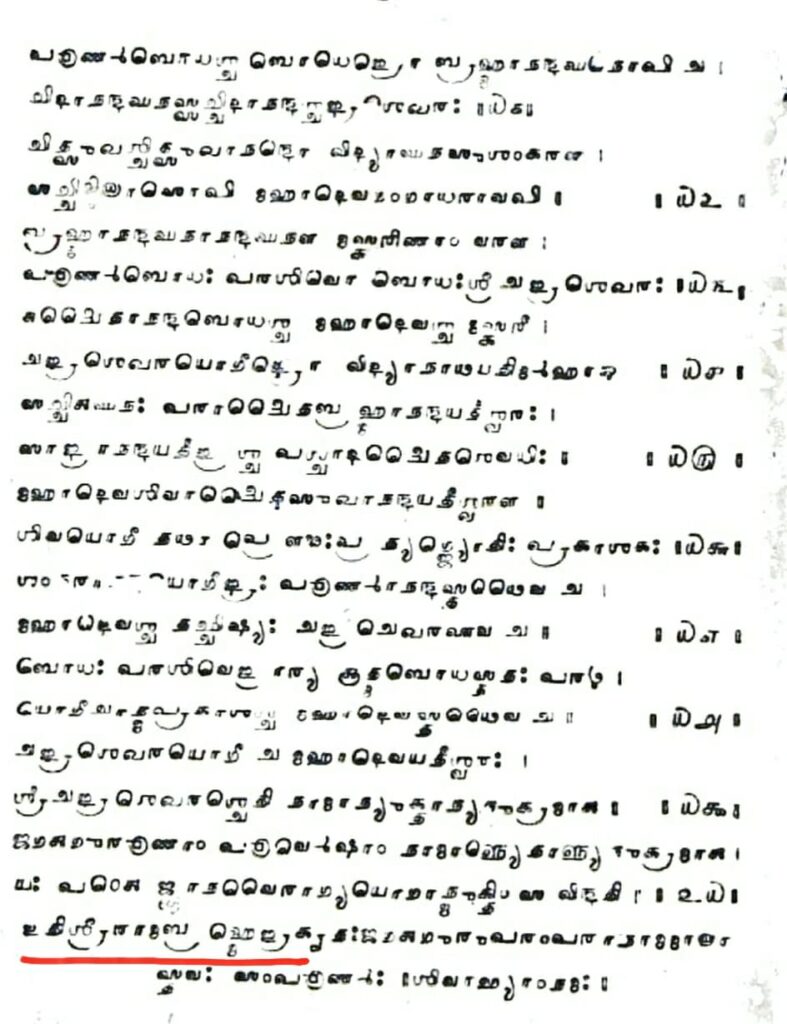
Ramabrahmendra Panchadashi is a collection of various works compiled by Ramabrahmendra which includes Mathamnaya from Citsukhacarya’s Brihat Sankaravijaya, Sureswaracarya Sishya Parampara Stuti and Sri Kanchi Kamakoti Guruparamapara namamala, stava which was published by Kalpattu Guruswamy Sastry, in 1894.
In the introductory part of the above cited publication, it is mentioned that this had been regularly recited by the Sanyasi disciples of Kashi and the same was obtained from one Paramanandendra, who was residing in the Dandi Ghatta of Avimukta Kshetra (Kashi).
According to Gururatnamalika of Sadasiva Brahmendra (verse no.75) and the Sushama commentary on the same by Atmabodha, Vidyaranya, the disciple of Vidyatirtha, Peethadhipathi of the Kanchi Kamakoti Peeta – went to Mysore which was then in a state of confusion, established 8 branch mathas there, Virupaksha and Pushpagiri being two among them.
As regards these two mathas, Kokkandram Venkataratnam Pantulu, an adherent of Sringeri Matha in his Sankara Matha -Tatva- Prakasikartha-Sangraha quotes from the Mathamnaya recited in Pushpagiri Matha according to which Sri Vidyaranya went from Kanchi and installed Chandrasekhara Bharati at Sringeri. He also established a new Matha at Virupaksha where he installed Narasimha Bharati as the Head.
Another version about the origin of this Sankarite institution is as given below:
One of the successors of Narasimha Bharati in the Virupaksha Matha went on tour and on his way he reached Pushpagiri. He found that it was a convenient place for tapas and meditation and accordingly founded a matha there and himself stayed in that (Pushpagiri) Matha and sent one of his disciples to preside over the Virupaksha Matha.
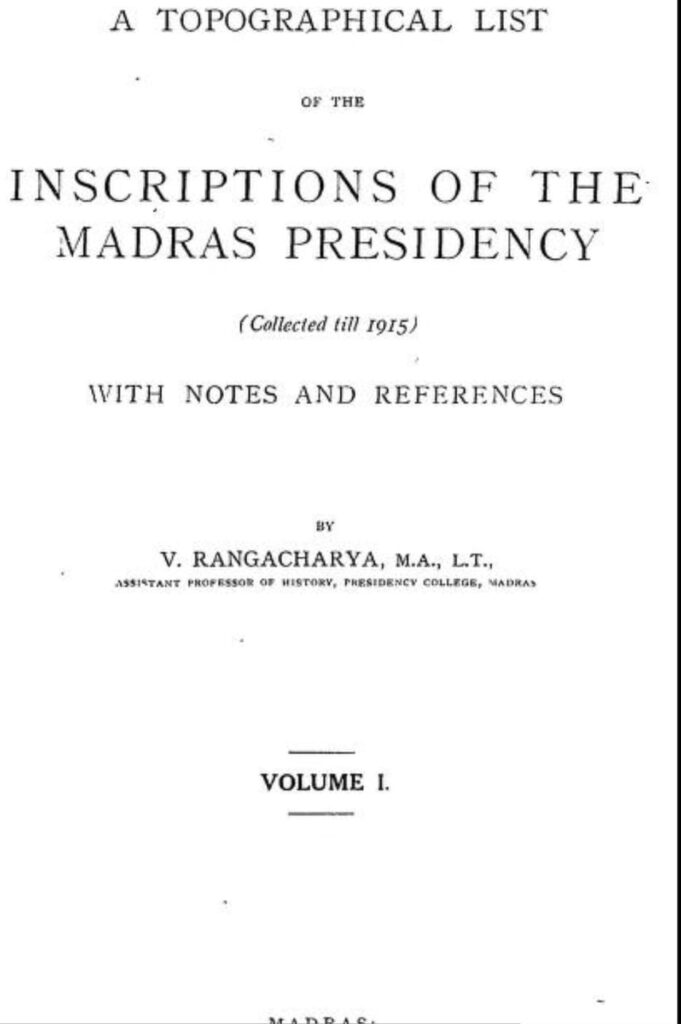
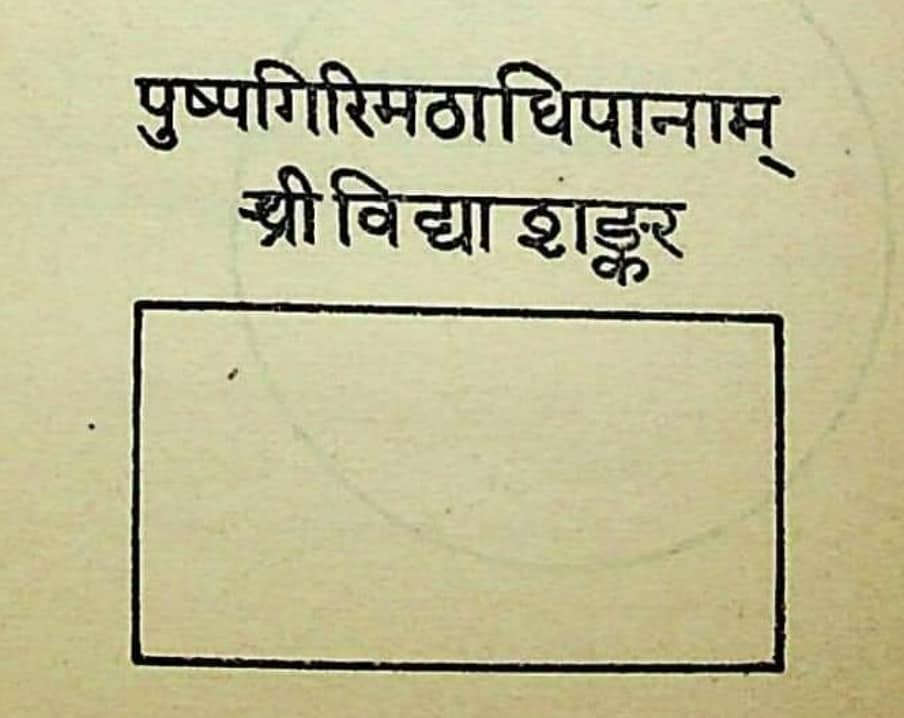
In the Topographical list of inscriptions of the Madras Presidency, many records with names of Narasimha Bharati and Vidyasankara Bharati, the Gurus of Pushpagiri matha, are found. All these Grant’s were made to the Pushpagiri matha, only as an * independent religious institution* .
None of these records mention this matha as a shakha or branch matha of any other Sankarite institution.
In the cultural heritage of India two streams viz, Pravirtti and Nivritti based on the Vedas are flowing. For these two streams the original canal is Lord Siva in the form of Uma and Mahesvara. This form indicates the path or Pravirtti. For the path of Nivritti the form of Dakshinamurthy is the original source. In Northern India, when many temples were razed to the ground, during the Mughal period, the tradition of Dakshinamurthy came to fade.
From Bengal to Baluchi and Kashmir to Kerala, the upasana of Dakshinamurthy is observed to this day. Yet the scarcity of temples for external worship of Dakshinamurthy are very few.
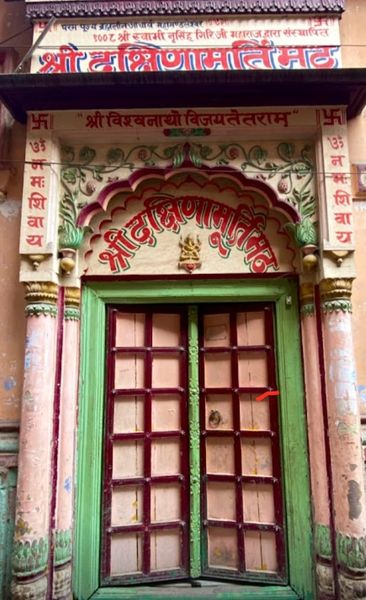
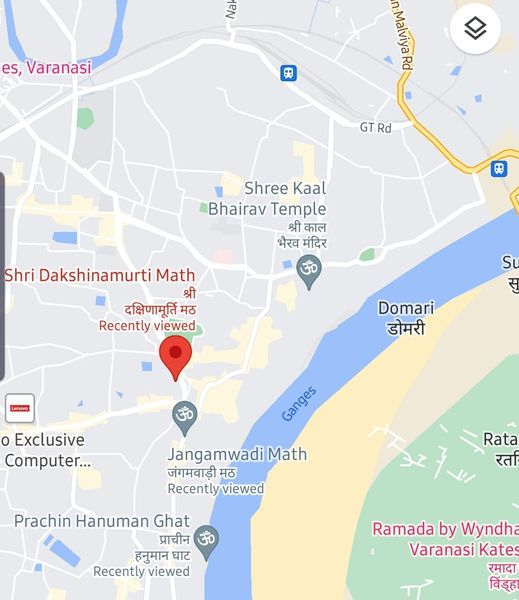
His Holiness Satchidanandagiri has constructed a temple of Dakshinamurthy near the old temple of Siddhantha Mani where he himself meditated upon Dakshinamurthy. Probably this is the Advaita Mutt referred to as Dakshinamurthy Mutt, at Kasi.
The Guruparampara of Dakshinamurthy Mutt also called Dhruvesvara Mutt, Varanasi is as follows:
1. Managiri
2. Meghagiri
3. Ramagiri
4. Satchidanandagiri
5. Amarendragiri
6. Manishagiri
7. Ramananda Giri
8. Nrisimha Giri
9. Niranjana Giri
10. Krishnananda Giri
(Prepared from ‘Gandivam’-Chaitra Sukla Prathama, 24-3-1974 By Sri Anantananendra Saraswati)
It is remarkable that the date of Sri Sankaracharya preserved in the Dwaraka matha list tallies almost exactly with that found in the ancient records of the Kanchi matha. The Dwaraka matha has also preserved the exact dates of the various events of Sri Sankara’s life from His birth to His departure.
It is important to note that the Kanchi Kamakoti and Dwaraka Peethas have not only preserved the regnal years of the Acharyas upto the present day, but also have preserved the Date of Birth of the Great Acharya and the date of His Brahmi-bhava.
Coming from two entirely distant corners of India the agreement in the dates of these two great religious institutions, the Moolamnaya and Pascimamnaya Peethas of Bharath, speaks for the genuineness of the dates given by the two lists.
And the surprise is all the more agreeably enhanced when we find that the dates given by these two mathas are quite in conformity with the date deduced by many eminent indologists, (Shri.K.G.Natesa Sastry and others) from internal evidence, one more proof to show that the Puranic chronology is genuine and tolerably correct.
Kanchi of those days was the meeting place of all the rival faiths, tenets and cultures found in different parts of India. Sankara in His digvijaya in various parts of the country attacked the rival faiths in their own centres and citadels and having vanquished Jains, Bauddhas, Mimamsakās, Sāktās, Kāpālikas,and atheists in the West, North and East and having established monuments of victory in the four corners of the country, He finally settled down at Kanchi which was the great converging centre of all the faiths and cultures of the country. Here He rested, found peace and entered into Eternal Bliss.
In the year 1871-72, a new verse was introduced in the Sringeri Almanac. The accuracy of the statement made in this verse engaged the attention of many scholars continuously for about six years.
The examination of this newly inserted verse, by scholars all over the land revealed many historical facts including an important one, i.e., that Sri Vidyaranya of the Veda Bhashya fame went to Hampi or Vijayanagar from Kanchi and after his spiritual life-work there which included the installation of the heads of Virupaksha and Sringeri mutts finally returned to Kanchi where he attained Siddhi.
The Astikas of Madras who had an organization or Sabha for determining dharmic questions and correct lapses, if any, in the community were in the habit of assembling periodically in the premises of the Madras branch of the Kamakoti Peetha at 119, Thambu Chetty Street, Madras, for the specific use of which this mutt had been dedicated by a Vaisya gentleman in the early years of the emergence of the City of Madras. The Astikas were represented by 18 Jaladhi patis, who were the accredited heads of the different communities. The meetings were presided over by an elected Sabhapati.
At one of such meetings the verse in the almanac which was intended to belittle the importance of the Kamakoti Peeta and the Kudali Mutt in Shimoga district was taken up for consideration.
The Sabhapati on behalf of the Sabha authorised Sri Gurram Venkatrama Sastri of Nellore, who had previously published some of his researches in Dharma Sastra, to consider the correctness of this sloka and make a report to the Sabha. He accordingly collected all relevant literary and documentary materials and after studying them conveyed the conclusions of his research in the form of a small booklet under the title ‘Srimukha Vyakhya’.
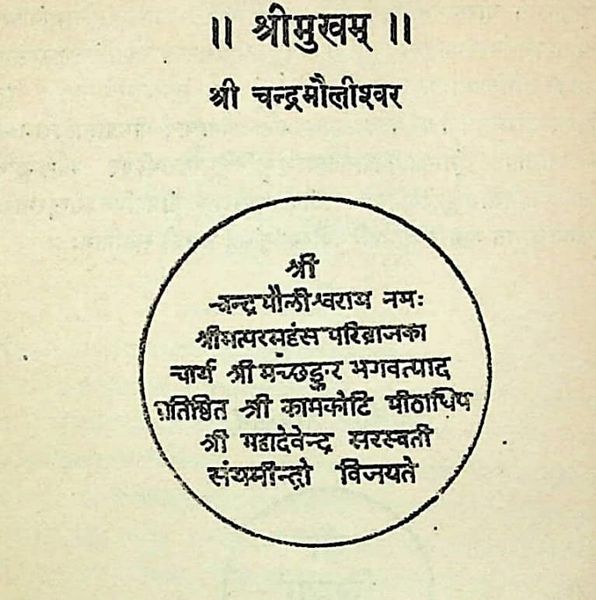
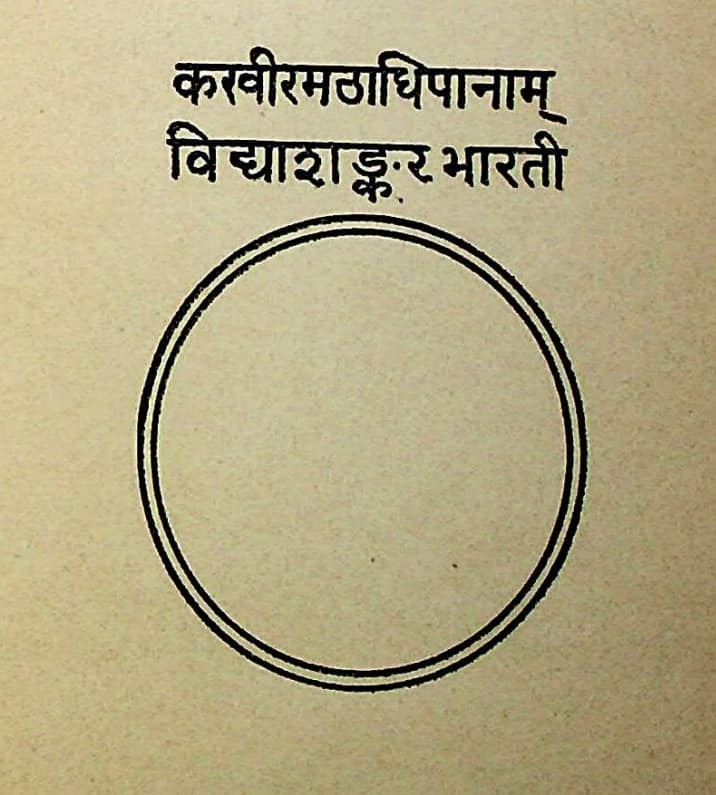
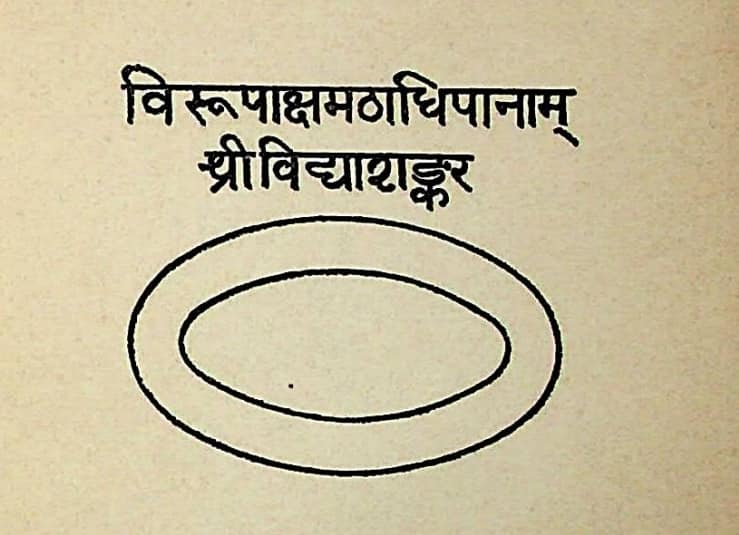
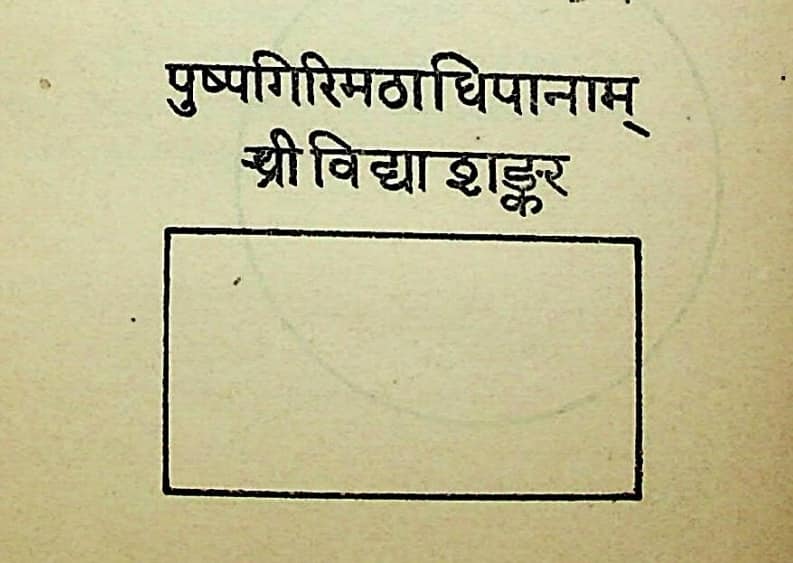
The method of research adopted by him was somewhat novel. He did not attach much importance to the varying literary works connected with the life and doings of Sri Sankaracharya but relied for his conclusions on the forms of honorific epithets contained in the Srimukhams and the inscriptions and in the shape of the seals of the respective mutts.
Copies of all the Srimukhams containing uniform epithets and seals were collected and every detail was minutely and meticulously examined.
The final conclusion was that the epithets and seals of all the mutts except the Kanchi Peetha, then presided over by Sri Mahadevendra Saraswati Sankaracharya Swami, pertained to the advent of Sri Vidyaranya of Vijayanagaram and Veda bhashya fame, while the epithets and seals of the Kanchi Mutt alone pertained to Sri Sankaracharya. Sri Kamakoti Peetam was established by the Great Acharya for His own residence at Kanchipuram where He attained Siddhi. The other mutts were established for or by the Sishyas of the Acharya and their parampara.
The Srimukhams collected by him pertained to the following mutts: Pushpagiri in the Andhra, Virupaksha, Kudali, Amani (Avani) and Sringeri in Karnataka and Kanchipuram in Tamilnadu.