-
Samadhisthala
Is Kedarnath the Samadhi-sthala of Pujyasri Shankara Bhagavatpadacharya?
-
FAQ
கேள்வி : சிருங்கேரி என்ற பெயரொட்டுடன் “துங்கபத்ரா தீரவாஸி” என்ற பிருது அடைமொழியைப் பயன்படுத்தி வரும் அத்வைத மடங்களுள் பூகோளரீதியாக உண்மையாகவே துங்கபத்ரை ஆற்றின் கரையில் இருக்கும் மடங்கள் எத்தனை? அவை யாவை?
பதில்: புவியியல் அடிப்படையில் இரண்டு மடங்கள் மட்டுமே உண்மையான துங்கபத்ரா தீரவாஸிகள் என்று கருதத் தக்கன.
அவையாவன, தக்ஷிணாம்னாய கூடலி சிருங்கேரி மற்றும் ஹம்பி விரூபாக்ஷ சிருங்கேரி மடங்கள் ஆகும்.
-
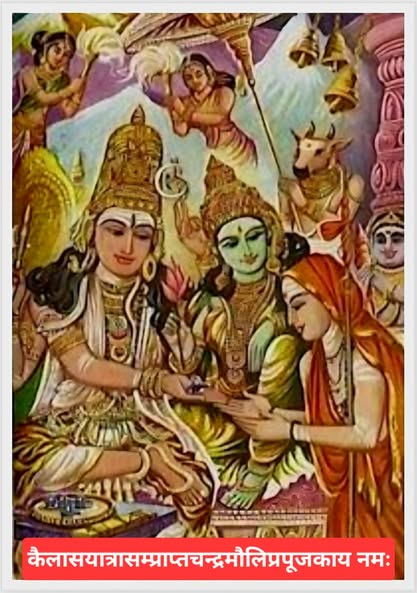
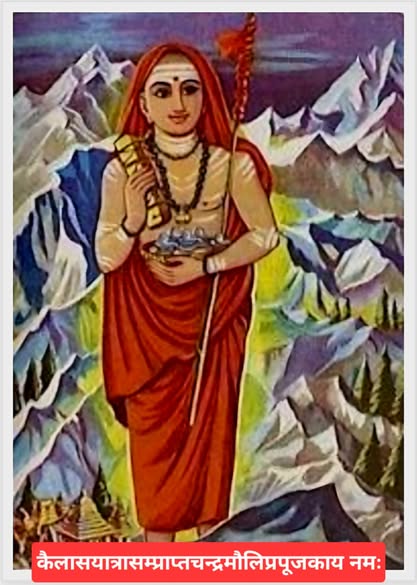
कैलासयात्रासम्प्राप्तचन्द्रमौलिप्रपूजकाय नमः
கைலாஸயாத்ராஸம்ப்ராப்த சந்த்ரமௌலிப்ரபூஜகாய நம:
கைலாஸ யாத்திரையின்போது ஈசனாரிடமிருந்து தாம் பெற்று வந்த ஸ்ரீசந்த்ரமௌலீச்வர ஸ்படிக லிங்கங்களை பூஜிப்பவராகிய ஜகத்குரு ஸ்ரீசங்கர பகவத்பாதர்கள் அவர்களைப் போற்றும் அழகிய நாமா ஒன்று ஸ்ரீகாமகோடி பீடத்தின் பாரம்பர்ய ஸ்ரீசங்கராசார்ய அஷ்டோத்தர ஶதநாமாவளி – அர்ச்சனைக் கோவையில் உள்ளதை அனைவரும் அறிவோம்.
தமது வாழ்க்கையின் முடிவாக ஸ்ரீசங்கர பகவத்பாதர் கேதாரத்திலிருந்து கைலாஸம் போய்விட்டார். ஈசன் எந்த ஸ்படிக லிங்கத்தையும் அவருக்கு அப்போது கொடுக்கவில்லை. கயிலை மீண்ட அவர் அங்கிருந்து திரும்பி வரவுமில்லை.
அதனால் ஐந்து ஸ்படிக லிங்கங்களை அவர் சிவபெருமானிடமிருந்து பெற்று வந்ததாக ஆனந்தகிரி சங்கர விஜயம், மார்க்கண்டேய ஸம்ஹிதை, மற்றும் சிவரஹஸ்யம் அடிப்படையில் ஸ்ரீகாஞ்சீ காமகோடி பீடத்தின் இந்த பாரம்பர்ய வரலாறு நிஜம் அல்ல;
அவர் கேதாரத்திலிருந்து சிவ உருவுடன் எருதேறி சிவ கணங்கள் புடை சூழத் தமது இருப்பிடமாகிய கயிலையை முடிவாக அடைந்து விட்டார்; அவ்வளவுதான் ஸம்க்ஷேப சங்கர விஜயம்.
இதுதான் உண்மையான கதை என்று ஸ்ரீசங்கராசார்யர் வரலாற்றை முடிக்கும் மாதவீய ஆதரவு மடத்துப் பண்டிதர்கள் –
कैलासयात्रासम्प्राप्तचन्द्रमौलिप्रपूजकाय नमः
கைலாஸயாத்ராஸம்ப்ராப்த சந்த்ரமௌலிப்ரபூஜகாய நம:
என்னும் இதே நாமாவை தங்களது மடத்தின் அர்ச்சனைக் கோவையிலும் சேர்த்திருப்பது ஏன்?
ஸ்ரீசங்கர பகவத்பாதாசார்யர்களின் காலம் மற்றும் அவர் அருள் வரலாற்றில் கைவைத்தது மட்டுமின்றி ஸ்ரீசங்கர பகவத்பாதாசார்ய அஷ்டோத்தர ஶதநாமாவளிக் கோவையிலும் அனேக புதிய பாட மாற்றங்களைச் செய்த மாதவீய மடாம்னாய பிரசாரகர்கள் இந்த நாமாவை நீக்கிவிட மறந்து விட்டார்கள் போலும்.
कैलासयात्रासम्प्राप्तचन्द्रमौलिप्रपूजकाय नमः
கைலாஸயாத்ராஸம்ப்ராப்த சந்த்ரமௌலிப்ரபூஜகாய நம:
கைலாஸ யாத்திரையின்போது ஈசனாரிடமிருந்து தாம் பெற்று வந்த ஸ்ரீசந்த்ரமௌலீச்வர ஸ்படிக லிங்கங்களை பூஜிப்பவராகிய ஜகத்குரு ஸ்ரீசங்கர பகவத்பாதர்கள் அவர்களைப் போற்றும் அழகிய நாமா ஒன்று ஸ்ரீகாமகோடி பீடத்தின் பாரம்பர்ய ஸ்ரீசங்கராசார்ய அஷ்டோத்தர ஶதநாமாவளி – அர்ச்சனைக் கோவையில் உள்ளதை அனைவரும் அறிவோம்.
தமது வாழ்க்கையின் முடிவாக ஸ்ரீசங்கர பகவத்பாதர் கேதாரத்திலிருந்து கைலாஸம் போய்விட்டார். ஈசன் எந்த ஸ்படிக லிங்கத்தையும் அவருக்கு அப்போது கொடுக்கவில்லை. கயிலை மீண்ட அவர் அங்கிருந்து திரும்பி வரவுமில்லை.
அதனால் ஐந்து ஸ்படிக லிங்கங்களை அவர் சிவபெருமானிடமிருந்து பெற்று வந்ததாக ஆனந்தகிரி சங்கர விஜயம், மார்க்கண்டேய ஸம்ஹிதை, மற்றும் சிவரஹஸ்யம் அடிப்படையில் ஸ்ரீகாஞ்சீ காமகோடி பீடத்தின் இந்த பாரம்பர்ய வரலாறு நிஜம் அல்ல;
அவர் கேதாரத்திலிருந்து சிவ உருவுடன் எருதேறி சிவ கணங்கள் புடை சூழத் தமது இருப்பிடமாகிய கயிலையை முடிவாக அடைந்து விட்டார்; அவ்வளவுதான் ஸம்க்ஷேப சங்கர விஜயம்.
இதுதான் உண்மையான கதை என்று ஸ்ரீசங்கராசார்யர் வரலாற்றை முடிக்கும் மாதவீய ஆதரவு மடத்துப் பண்டிதர்கள் –
कैलासयात्रासम्प्राप्तचन्द्रमौलिप्रपूजकाय नमः
கைலாஸயாத்ராஸம்ப்ராப்த சந்த்ரமௌலிப்ரபூஜகாய நம:
என்னும் இதே நாமாவை தங்களது மடத்தின் அர்ச்சனைக் கோவையிலும் சேர்த்திருப்பது ஏன்?
ஸ்ரீசங்கர பகவத்பாதாசார்யர்களின் காலம் மற்றும் அவர் அருள் வரலாற்றில் கைவைத்தது மட்டுமின்றி ஸ்ரீசங்கர பகவத்பாதாசார்ய அஷ்டோத்தர ஶதநாமாவளிக் கோவையிலும் அனேக புதிய பாட மாற்றங்களைச் செய்த மாதவீய மடாம்னாய பிரசாரகர்கள் இந்த நாமாவை நீக்கிவிட மறந்து விட்டார்கள் போலும்.
-
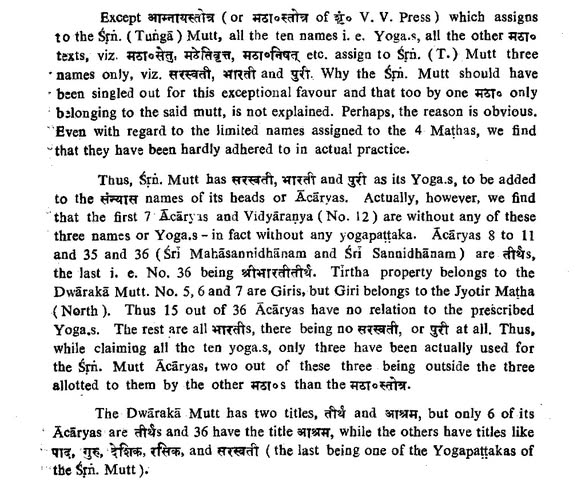
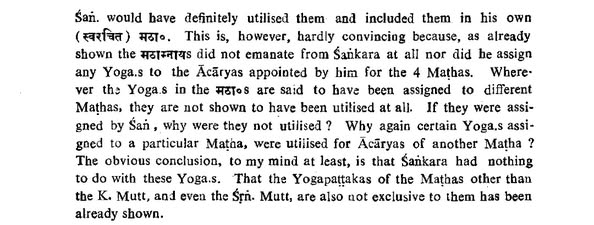
Yogapattakas and Mathamnaya Texts
How do the Acharyas of the so-callled Amnaya Mathas often end up using the Yogapattakas assigned to other three mathas, going against their own Mathamnaya texts?

-
No Mathamnaya in Shankara Vijayas

-
2534th Shankara Jayanthi

2534th Shankara Jayanthi
Hara Hara Shankara I Jaya Jaya Shankara I
-
2534th Shankara Jayanthi

2534th Shankara Jayanthi
Hara Hara Shankara I Jaya Jaya Shankara I
-
Bhagavan Shri Adi Shankaracharya
-
Mathamnaya Manuscript before 18th Century?
Scholars who support the four mutts theory are requested to provide evidence for existence of at least one Mathamnaya manuscript written before the 18th century, as many believe this work is of recent origin.
-
8ஆம் நூற்றாண்டில் தென் இந்தியா
கேள்வி:
8ஆம் நூற்றாண்டில் தென் இந்தியாவில் ஆழ்வார்கள், நாயன்மார்களின் வழிவந்த பக்தி இயக்கங்கள், மன்னர்கள் மற்றும் மக்கள் பங்களிப்புடன் முழுமையாக வளர்ந்திருந்ததை சரித்திரச் சான்றுகள் நமக்குக் காட்டுகின்றன. சங்கர விஜயங்களில் சொல்லப்பட்டுள்ள வரலாற்றுச் சம்பவங்கள், அவரது சமயப் பணிகள் ஆகியன.. ஒன்று கூட இந்த கால கட்டத்தில் நிகழ்ந்திருக்க வாய்ப்பில்லை. எனவே சங்கராவதாரம் பொ.யு 788ஆம் ஆண்டிலன்றி அதற்கும் பல நூற்றாண்டுகள் முன்புதானே நிகழ்ந்திருக்க வேண்டும்?