Inferable Link of Bhagavatpada Sankaracharya with Kumbhakonam – A.Kuppuswamy Iyer (2/3)

Migration of Tamilians to Kerala

It is believed that Parasurama after his surrender to Rama, prince of Ayodhya, came down to the South and was instrumental in colonising the Kerala region with Tamilians.

It seems quite probable that another migration of Tamilians to Kerala did take place in the middle of the first millenium before Christ. Even now there are some villages around Tiruchur and Kaladi with names similar to those of certain villages near Sivapuram. Some of these are:- Mathur, Sedinipuram, Chandrasekharapuram, Karukkudy (Marudanallur-called in Kerala ‘Karukkurry’.”). Names of places such as Alathur, Tiruvaloor ( Tiruvarur), Tiruvangad (Tiruvenkadu) are also found in the Chera country. There as is also a place called ‘Kandiyur’ in Kerala. Kandiyur is the name of a village about 20 miles west of Kumbhakonam.

It is evident that the very name ‘Kaladi’ given to Sankara’s birth place is a Tamil name. Perhaps the place got the name ‘Kaladi’ after the advent of Sankara. Sankara is also known by the epithet ‘Bhagavatpada’. ‘Pada’ signifies ‘foot’ and ‘Kaladi’ means ‘footstep’.

Ancient literary works like the ‘Sivarahasya’ indicate that Sankara was born in a village known as ‘Sasalagrama’.

Hence it can be concluded that ‘Kaladi’ is a Tamil name and a later name. Sivaguru, Sankara’s father was a native of Kaladi. Perhaps Sivaguru’s parents gave their only child the name ‘Sivaguru’ after the name of the Lord of Sivapuram (near Kumbhakonam) which might have been the ancestral home of their forebears.

That settlers in new lands generally named their new colonies after their original native places is borne out by history. Protestant emigrants to the coasts of North America from the time of Elizabeth Tudor till the time of George III, named their new settlements in America, after their original homes in England, with a prefix ‘New’ in certain cases. There is a city ‘York’ in England and one ‘New York’ in America, as also a ‘Plymouth’ in England and a ‘New Plymouth’ in America. In both England and America there are towns called Ports mouth, Halifax etc. And one can find names of certain villages with almost identical names in Tamilnadu and Andhra Pradesh.

Alwaye and Alavai

There is a river flowing near Kaladi called ‘Alwaye’ (called ‘Choorna’ or ‘Poorna’ in olden times). On her bank there is a town also ‘Alwaye’. There is a river flowing through the city of Madurai (in Tamil Nadu), known by the name ‘Vaikai’ (pro- bably a later nickname as per Tiruvilayadal Puranam), having its source very near that of the river Alwaye.

It may be mentioned that the city of Madurai is known in Tamil classics as ‘Tiru Alavay” (“Tiru’ being only a prefix denoting sacredness). And we have a Sanskrit name for Madurai in an almost similar sounding- word-“Halasya”.

Similarity of the name of a town in Kerala with the classical name of a town in Tamil Nadu provides another indication of the migration of Tamilians to Kerala.
Inferable Link of Bhagavatpada Sankaracharya with Kumbhakonam – A.Kuppuswamy Iyer (1/3)

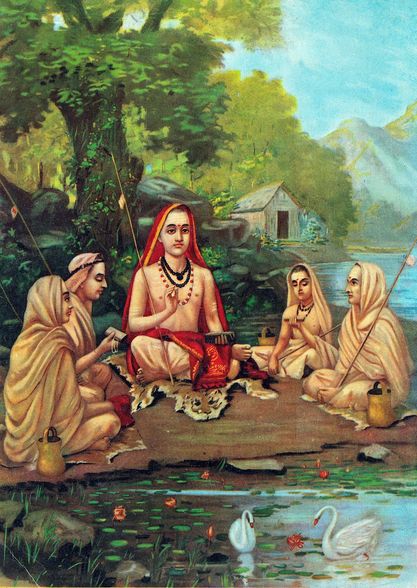
Sage Vyasa reduced the essence of the Upanishads into aphorisms, known as Brahmasutras. Sankara Bhagavatpada was the first to produce a superb gloss on the Vyasa-sutras.

It is quite common knowledge that Sankara was born at Kaladi, in Kerala. All biographical sketches about Sankara state that his father, Sivaguru, performed penance at the sacred Tiruchivaperur (modern Tiruchur) for an offspring.

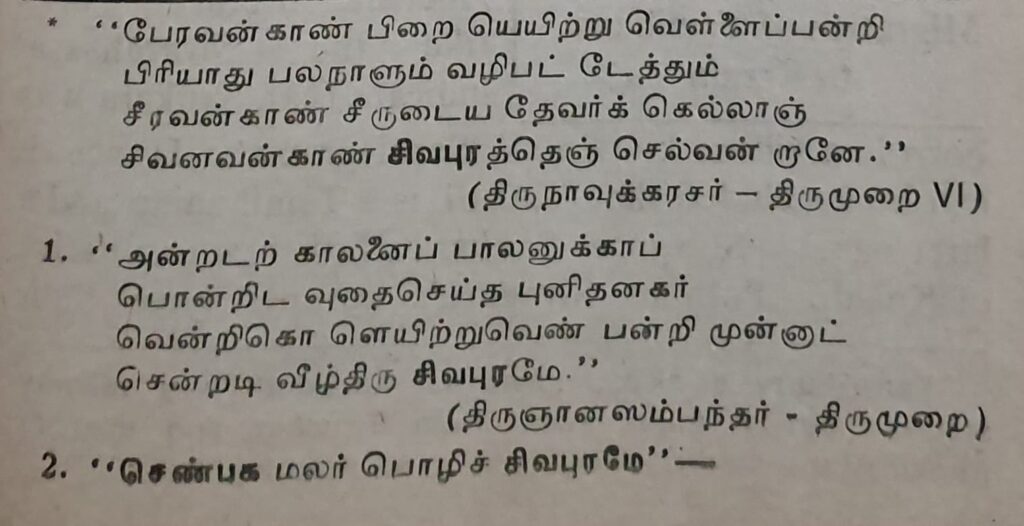
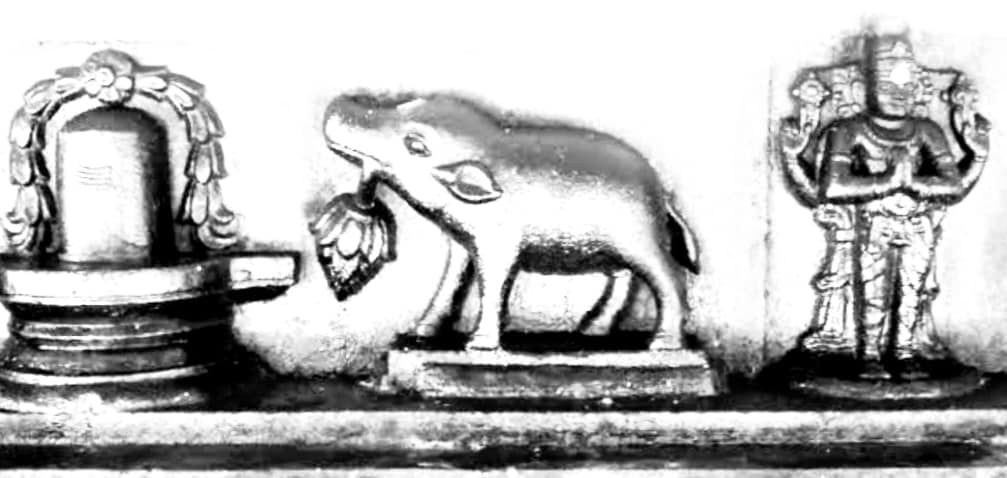
About two miles and a half to the south east of Kumbhakonam there is a village called ‘Tiru- chivapuram’. Puranas as also Tevaram hymns record Sivapuram as a sacred spot where Vishnu in the form of a white boar (Varaha) has worshipped Siva. Tirunavukkarasar”, Jnanasambandar¹ and Arunagiri- nathar have extolled the shrine at Sivapuram.

A small sculptural representation of Varaha (boar) worshipping a Siva Lingam is seen on the Sivapuram southern wall (outside) of the sanctum sanctorum of the Sivapuram temple.

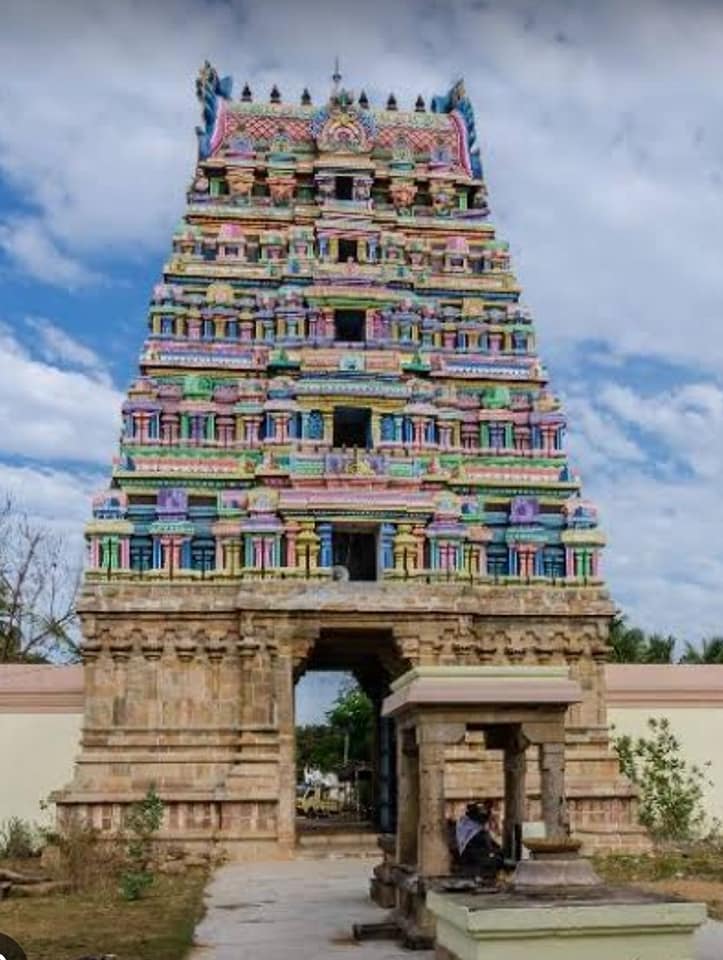
The outer Gopuram (tower on gateway) of this temple seems to be pretty old. There is an old Champaka tree in the front part of the temple, in accordance with one of the below mentioned lines (2), about this shrine, in Tevaram.

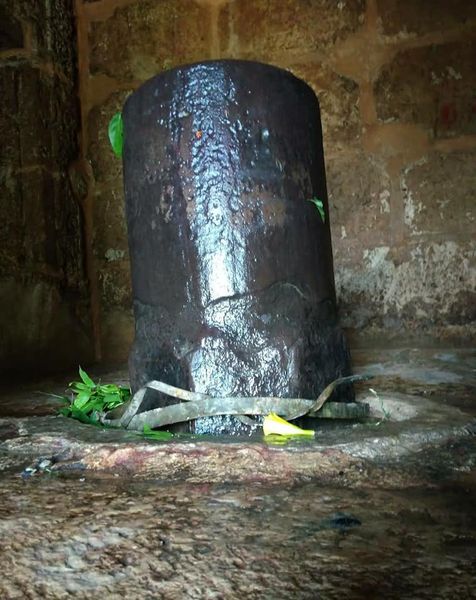
A stone plaque on the left side of the main entrance gives the name of the temple as “The Temple of Sivagurunathar.” And the name of the presiding Sivalingam in the temple is ‘Sivagurunatha’ according to the Sthalapurana and ancient tradition.

It is notable that the name of ‘Sivagurunatha’ and its curtailed form ‘Sivaguru’, are quite common and widespread among saivites in and around Kumbakonam.

And it is to be remembered that Sankaracharya’s father too bore the name ‘Sivaguru’. But this name is not quite so common around Tiruchur or Kaladi as in the Kumbhakonam area of the Kaveri Delta region.

(To Be Continued)

Sri Ramapati Misra, President of the Bombay branch of the Varnasrama Svarajya Sanga

This passage is an extract of an article dtd. 01.4.1935, by Sri Ramapati Misra, President of the Bombay branch of the Varnasrama Svarajya Sanga, in Hindi.

In the second paragraph, the Author states that among the Sankaracharya Pithas with Dasnami Ascetics as their Heads, Five Pithas have been famous from the beginning.

(Sri Sankaracharya And Sankarite Institutions By Sri Anantanandendra Saraswati of Sri Upanishad Brahmendra Matha)

Sankara Digvijayam : Kukud Matha

(A Sankarite institution in Narmada-theeram)

After successfully persuading His mother to permit Him to enter the ascetic order in order to save himself from the peril of being devoured by a crocodile which had caught hold of his foot, while bathing in the Curna, one day, and thereby delivering Himself from its clutches and thereof from worldly bonds as well, Sankaracharya travelled northwards in search of a proper preceptor.

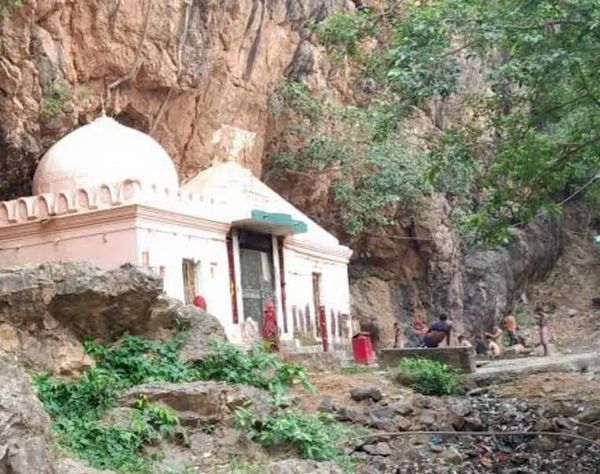
In course of months, He reached the southern bank of the Narmada. In a cave on the river bank, He came in contact with Govinda Bhagavatpada, Who initiated Sankaracharya in the Mahavakyas and imparted to Him the Atmavidya during the course of Sankarachaya’s stay with the preceptor. It is believed that this event took place at a place near the Omkareshwar kshetra in Madhyapradesh. Some biographies give the place of meeting the preceptor as at Badri kshetra and some as at Varanasi.

Another interesting piece of information is found in the Hindi book ‘Narmada-parikrama (published at Allahabad).

According to this publication, the spot where Sankaracharya met His great preceptor is located on the southern bank of the river Narmada, near Kukud matha.

The relevant passage is as follows:-

” कुकुड्मठ: बोन्दर गाँम से करीब ६ मील श्री नर्मदा जी के दक्षिण तट में मचरार (गोमती) नदी – के किनारे डिंडीरी की सड़क के पास कुकुड़े मठ का स्थान है । इस स्थान में श्रीमान् स्वामी शंकराचार्यजी निर्मित रणमुक्तेश्वरनाथ का बहुत प्राचीन मन्दिर है । आजकल बहुजोर्ण दश में है …. लोक कहते हैं कि प्रतिदिन रात्रि को लाल आँखों वाला सर्प भगवान् शंकर की मूर्ति खे लिपट जाता है, और प्रातःकाल जला जाता है I”

[ Kukud Matha : About 6 miles away from the village of Bondar, on the bank of the Narmadā, near the river Macrar (Gomati), there is the spot of Kukud Math very near the Dinderi road….. Here is the very ancient temple of Ranamuktesvara constructed by Swami Sri Sankaracaryaji. It is now in a decadent condition. . . . . People say that every night a serpent with red eyes coils round the Sivalinga (in the temple) and goes away in the morning].

These details and the information found in the biographical sketches get confirmed by local tradition.

Many Biographies of Sri Sankara Bhagavadpada such as the Patanjali charitam, Prachina Sankara vijaya, Gururatnamalika, Madhaviya Sankaravijaya, Bhagavatpadabhyudayam etc., state that Sankaracharya’s preceptor Govinda Bhagavatpada was an avatara of Patanjali who in turn was none other than Adisesa, the thousand-headed serpent Couch of Visnu, in Human form.

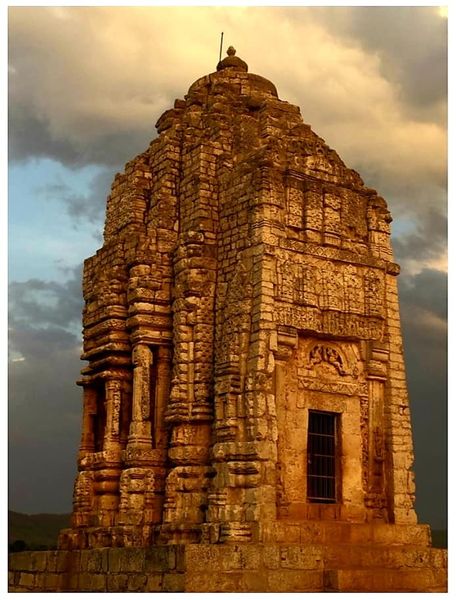
On the basis the indication found in the above mentioned works and the popular traditional information about the serpent coming to Rina-muktesvara temple at Kukud Matha (as per the Narmada-Parikrama), some indologists fix the spot where Sankara met Govinda Bhagavatpapa as at the latter’s cave situated on the South bank of the Narmada near Kukud Matha.

The suffix “Matha” in the name of the village also suggests that Sankara Bhagavadpada, founder of several institutions, all over India, perhaps established the first one near the sacred place of His preceptor’s cave.

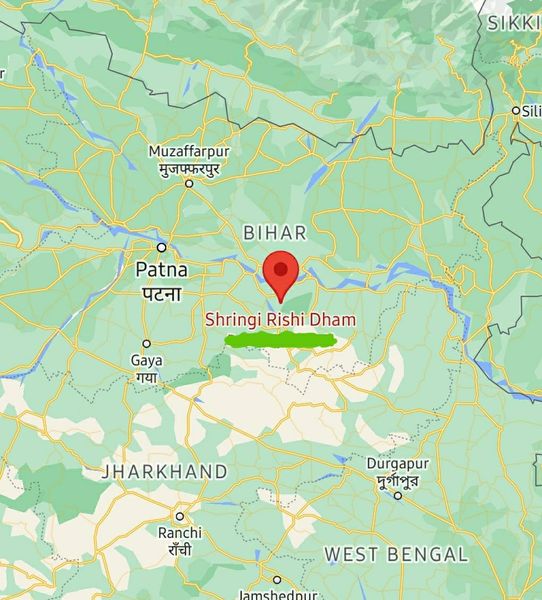
Location of Rshyasringa Asrama

It is well known that Rshyasringa was a sage of epic celebrity. As such, he ought to have lived long ages before Sankaracarya.

Rshyasringa in Ramayana

There can be no greater authoritative sources than the Ramayana and the Mahabharata regarding the location of the ashrama of the sage, Rshyasringa.

The following verses in Valmiki’s Ramayana will give the clue to the fact that Rshysringa belonged to the period of Dasaratha and that Rshyasringa’s abode was in Angadesa (modern Assam), whence Dasaratha took the sage to Ayodhya.

(a) Ramayana Balakanda – Canto IX:

“एतस्मिन्नेव कालेषु रोमपादः प्रतापवान्” – Verse 7

“ अङ्गेषु प्रथितो राजा भविष्यति महाबलः” – Verse 8

By this time, the mighty Romapada will be the renowned king of Angadesa.

“विभण्डकसुतं राजन्। सर्वोपायैरिहानय।

आनाय्य च महीपाल ऋश्यशृङ्गं सुसत्कृतम् ॥ ” – Verse 12

“प्रयच्छ कन्यां शान्तां वै विधिना सुसमाहितः । । ” – Verse 13

Sage Vasishta says to Dasaratha:-

“O king! Bring Rshyasringa, son of Vibhandaka, here, by all means. After having brought Rshyasringa, give Santa, the virgin, in marriage to him.”

Canto XI.

“पुत्रस्त्वङ्गाधिराजस्य रोमपाद इति श्रुतः तं स राजा दशरथो गमिष्यति महायशाः ।।” – Verse 4

“तं च राजा दशरथो यशस्कामः कृताञ्जलिः।।

ऋश्यशृङ्गं द्विजश्रेष्ठं वरयिष्यति धर्मवित्।।” – Verse 8

“Dasaratha shall go to Romapada, son of the king of Anga, and with folded hands pray for sending the great Brahmin, Rshyasringa”

“वसिष्ठेनाभ्यनुज्ञातो राजा संपूर्णमानसः ।

सान्तःपुरस्सहामात्याः प्रययौ यत्र स द्विजः ।। – Verse 14

अभिचक्राम तं देशं यत्र वै मुनिपुङ्गवः ।

आसाद्य तं द्विजश्रेष्ठं रोमपादसमीपगम्।।” – Verse 15

Having been permitted by Vasishtha, King Dasaratha, with the ladies of the harem, and with his ministers, started for the place where that Brahmin and great sage (Rshyasringa) lived. Having got near that Brahmin, who was near Romapada.

According to the further verses in the epic, Dasaratha requested the King of Angadesa to send sage Rshyasringa to Ayodhya for the Vedic sacrifice that Dasaratha had arranged for.

Rshyasringa in Mahabharata

The story of Rshyasringa is narrated in chapters 87, 88 and 89 of the Teerthayatra section of the Aranyakanda of the Mahabharata.

In verse 22 of chapter 87, Lomasa tells Yudhishthira that Visvamitra’s hermitage shines on the bank of the sacred river, Kausiki.

The next verse states that the abode of the great sage, Kasyapa, known as Punyashrama, is also there, and points to it as also the residence of the tapasvin Rshyasringa.

The relevant verses are:

लोमश:-

“येवा देवी महापुण्या कौशिकी भरतर्षभ ।

विश्वामित्राश्रमो रम्य एष चात्र प्रकाशते ॥

आश्रमश्चैव पुण्याख्यः काश्यपस्य महात्मनः ।

ऋश्यशृङ्गस्सुतो यस्य तपस्वी संयतेन्द्रियः ॥”

Verse 40 of the same chapter states that Romapada is the King of Angadesa. In the tenth verse of chapter 88, Rshyasringa enquires the leader of the damsels (sent by Romapada to entice sage Rshyasringa and bring him to the royal court), as to where the damsel leader’s residence is In the next verse (11), the leader of the damsels informs the sage that her abode is only three yojanas from the other side of the hill, seen near (near Rshyasringa’s hermitage).

The pertinent line runs as follows:

‘ममाश्रमः काश्यपपुत्र रम्यस्त्रियोजन शैलमिमं परेण ।”

The word Yojana’, according to standard lexicons, is a measure of distance equal to 48,000 feet, or roughly 9.09 miles.

Hence, according to the line quoted above, Rshyasringa’s hermitage should have been situated only about 27.21 miles away from the capital of Romapada, the King of Anga, according to the Mahabharata.

Thus, both the Great Epics clearly indicate that Rshyasringa’s ashrama had existed in north-eastern India, somewhere on the border of Angadesa (modern Assam). Kshetras, Asramas or temples with Rshyasringa’s name are also found in Bihar, Chhattisgarh (Shihawa), Himachal pradesh, Karnataka, Tamilnadu and Puducherry (Kottucherry)

(Source: B.Krishnan)

Sankaracharya : Biographical Sketches of Dekkan Poets

Sankaracharya : Biographical Sketches of Dekkan Poets – Being Memoirs of the Lives of Several Eminent Bards Both Ancient And Modern, Who Have Flourished In Different Provinces of the Indian Peninsula Compiled From Authentic Documents, By Cavelley Venkata Ramaswamie Late Head Translator And Pandit In the Literary And Antiquarian Department, Calcutta (1829)

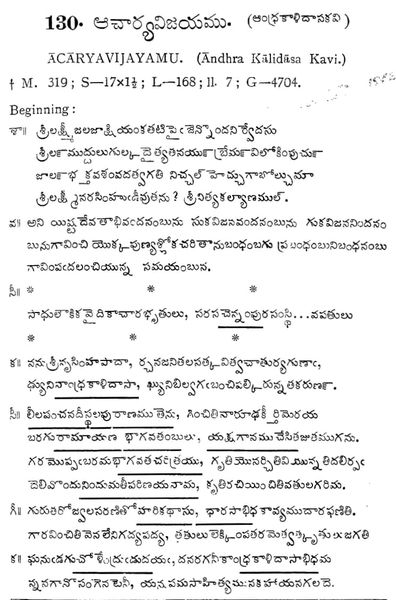
Andhra Kalidasa’s Sankaravijayam

Alluri Kuppanna ( Andhra Kaldasa) : 18th century Telugu poet, son of Venkatesa and Narasamambika, an inhabitant of the region bordering on the Krishna river.

From his infancy he studied Telugu and Sanskrit and in due time became a poet of considerable merit. He travelled through various countries.

Later he became a pupil of Kasturi Rangayya, a great poet and head of the French peons in Trichinopoly and composer of many odes on his French masters.

Alluri Kuppanna migrated to the Tanjore Mahratta kingdom. He also became an asthana vivian in Rajesri Tulajaji Maharaja’s (1763-1787) palace darbar.

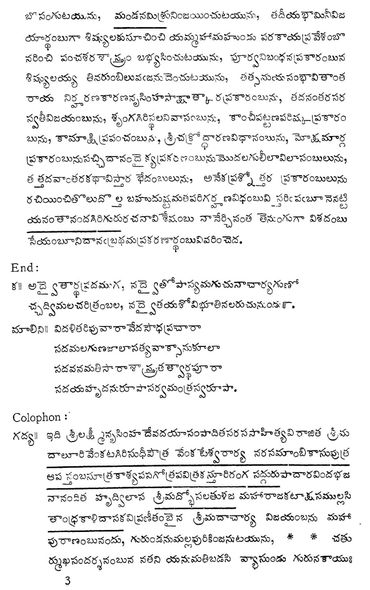
Alluri Kuppanna, translated the Sankara Vijaya of Anandagiri into Telugu (Acharya Vijayamu). In appreciation of his great work, King Tulajaji, conferred the worthy title of ‘Andhra Kalidasa’ .

Alluri Kuppana wrote many works of which may be mentioned Panchanada Sthalapurana, Yakshaganas of the Ramayana and Bhagavata stories, Parama Bhagavata Charitra, Indumati Parinaya and Karmapaka.

Cauvelly Venkata Ramaswamie, in his 1828 publication, The Biographical Sketches of Deccan Poets says,”The Telugu Translation of Anandagiri’s Sankaravijayam, Andhra Kalidasa Kavi’s Acharya Vijayamu is still in existence and extensively circulated in the Telugu country.”