SRI KANCHI KSHETRA MAHATMYAM

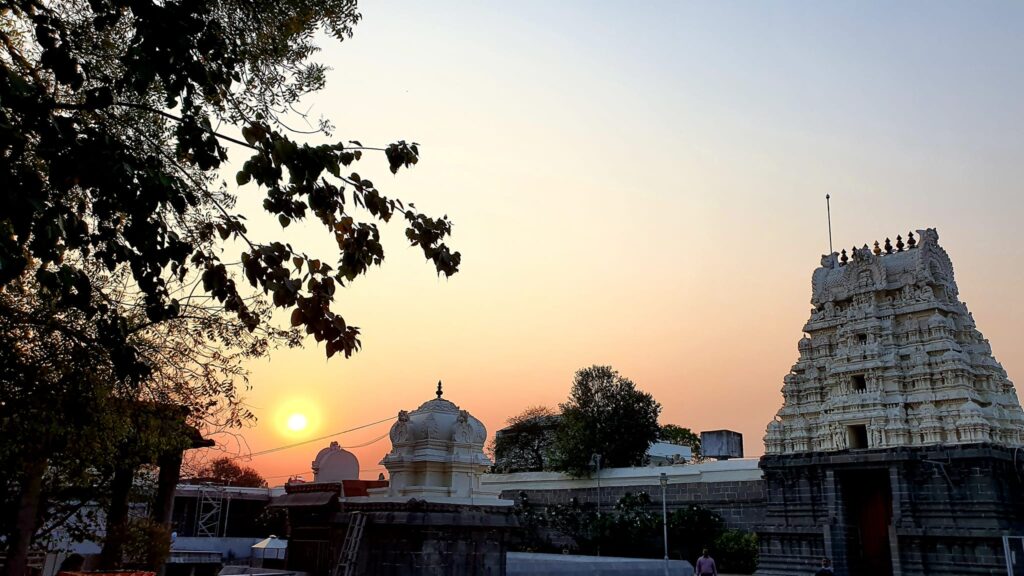
Kanchipuri is sacred to all Hindus, Vaishnavite, Saivite and Saktha alike. There are a number of temples dedica ted to Siva, Vishnu, Ganapati etc. in Kanchi, big and small, of architectural celebrity and otherwise. But most of them are ancient.

The shrines of Sri Varadaraja (Hastisailanatha ), of Sri Ekamranatha and Sri Kamakshi are the most celebrated of these temples. The Kamakshi temple seems to be one of the most ancient temples of our land since we find a reference to it in one of the old Tamil verses cited by Adiyarkunallar the famous commentator of Silappadikaram (one of the five great Tamil classics), while dealing with Karikala’s expedition upto the Himalayas.

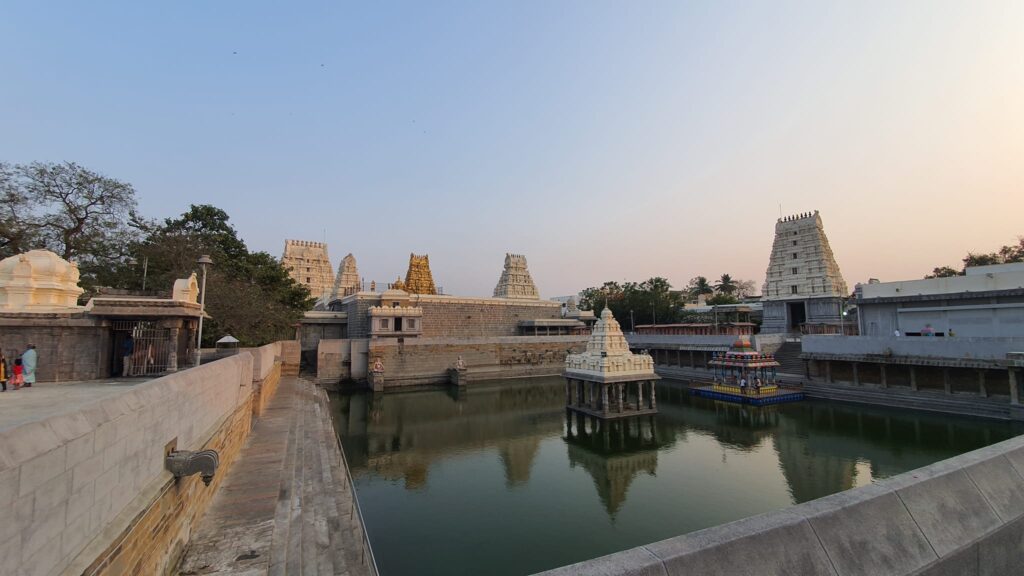
One important thing that strikes the shrewd observing pilgrim visiting to Kanchi, is that the towers (gopuras) of the import ant temples of this city far and near, face the Kamakshi temple.

The processions, of the yatrotsavamurtis (icon taken out during festivals) of all the temples are taken out only along the four principal streets (Rajaveethies) of the Kamakshi Temple. Above all these; it is of significance to find no sanctum sanctorum (Garbhagriha) for the Devi in any of the Siva shrines within the limits of Kanchi city; be the temple small or big.

But just outside the boundaries of this holy city one finds Mula Vigrahas of stone of the Devi in all Siva temples far and near Kanchi.

The reason for this is to be found in the Kamakshi Vilasa Purana wherein it is stated that in blessing Manmatha (Cupid) on having been satisfied with his penance, Sri Kamakshi drew unto her Bilakasa Svarupa (air form in a cave) all the Sakti (Powers of the Devi) scattered in all the Devi shrines of the land.

But later, on the prayer of Brahma, the creator, She vouchsafed that all Siva Temples of the land save those in Kanchipuri, styled as ‘Shivajitkshetra’ shall have Devi Shrines.

The portion of Kanchi city in which the shrine of Sri Kamakshi is situated is called Kamakoshtam in Sanskrit and as ‘Kamakottam’ in Tamil. It is evident that only from this terminology, the author of the Bhagavata has referred to Kanchipuri as Kamakotipuri (or Kamakoshti).

A study on inscriptions on the walls of many a South Indian temple reveals that all Devi shrines, inside Siva Temples in South India, were called only as Kamakottams, after the Kamakoshtam of Kanchi.

Three of the 63 Nayanmars (Tamil saints), Appar, Sambandar and Sundarar have referred to the Kamakoti of Kanchi and of them Sambandar has referred to even ‘Kacchi Kamakoti’.

From these it is evident that only the Sakti in Kamakoshtam has per meated throughout the land and that Sri Kamakshi is the nucleus of Sakti.

Inside the Kamakshi shrine at Kanchi, there are the icons of Adivaraha commonly called ‘Kalvar’ identified as one among the 108 Vaishnavite holy places.

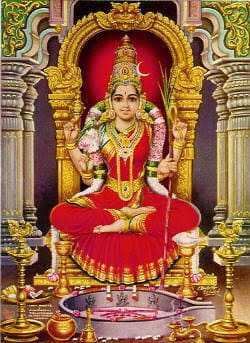
By the side of Kamakshi in Raja Rajeswari pose, we find the Tapas Kamakshi and in front, the Srichakra consecrated shalagrama shalagrama shila by Adi Sankaracharya.

The Bilakasa is spread under Devi Kamakshi. The whole city is permeated with the air of the Bilakasa according to the Kanchi Mahatmya. Every year on the Aipasi Pooram day, special poojas are conducted for Devi and Bilakasa.
Kanchi – The Kamakotipuri

Kanchi, popularly known as Kanchipuram and styled as ‘Kacchi’ in Tamil classical literature, is a city of celebrity, according to the popular saying ‘Nagareshu Kanchi.’

This city has been listed as one of the seven sacred cities of liberation (Mokshapuris). Kanchi is the only mokshapuri in Peninsular India, the other six, Ayodhya, Mathura, Maya (Haridwar), Kashi, Avan thika (Ujjain) and Dwaraka being situated North of the Vindhyas.

The city is referred to in the southern recensions of the Bhagavata Purana, (in the 10th skanda in the Balarama Teerthayatra Prakarana) as ‘Kamakoti Puri Kanchi.’

Vallabacharya in his Subodhini commentary on the purana, styles the city as Kamakotipuri. In the northern texts of the Bhagavata the city is given the name, “Kamakoshtipuri Kanchi.”

The sacred city is considered to be one of the foremost of the Shakthi peethas of Bharat in the Tantric works wherein the name ‘Kamarajakhyam’ is given for the Shakthi-sthana of the place.

The word Kanchi literally means the central part of the gold ornament worn round the waist, (Odyana). The Meru Tantra speaks of the city of Kanchi as the navel spot (Nabhisthana).

The city has been the capital of kingdoms and the ruling seat of princes in puranas, kavyas, inscriptions and history.

The Naishada Kavya of Sri Harsha speaks of a prince of Kanchi present at the Swayamvara of Damayanti. The edicts of Asoka refer to the Kingdom of Satyaputra besides those of Chera, Chola and Pandya of the south.

Of the several names given to Kanchi, one is Satyavratakshetra. There is a temple in Kanchi with a Sivalinga known as Satyavrateswara, of Tevaram fame. It will be hence easy to identify the Kingdom of Satyaputra as the territory around the Satyavratakshetra of Kanchi. Kanchi otherwise known in Tamil as Kacchi is spotlighted as an ancient city in Tamil classical literature.

The city has been the seat of the illustrious Pallavas and the Chola rulers according to epigraphical and historical evidence.

Kanchi has been acclaimed also as one of the Pancha bhutakshetras – where Siva has assumed the form of elements – as the Prithvi kshetra. Besides, Kanchipuri is reckoned as the Akasa Pitha among the five elemental Pithas.

That Kanchi is a great seat or Maha Pithastana has been acknowledged by the Visvakosha.

Puranas about this holy city avow that this city is an Akasakshetra just like Cidambaram of the south.

The city is also named as ‘Divyakshetra, Brahmasala’ etc. according to old puranic stories, treatises and other works depicting the sacredness of the place.

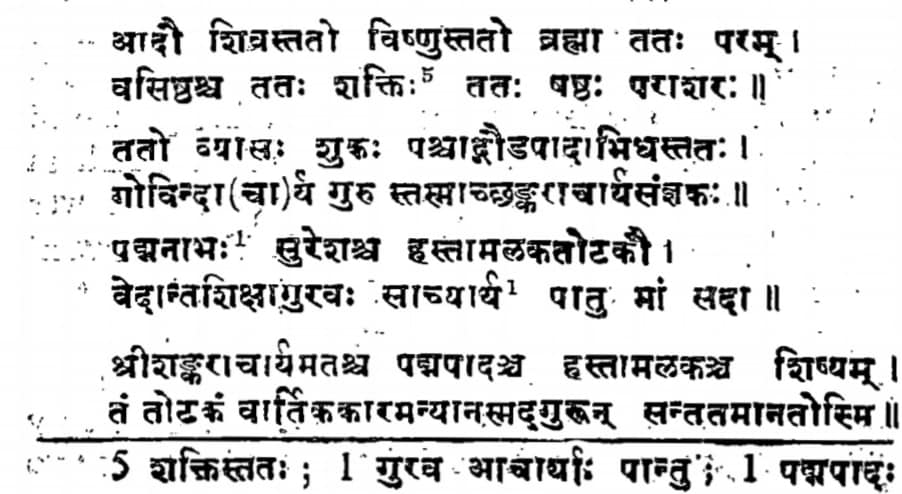
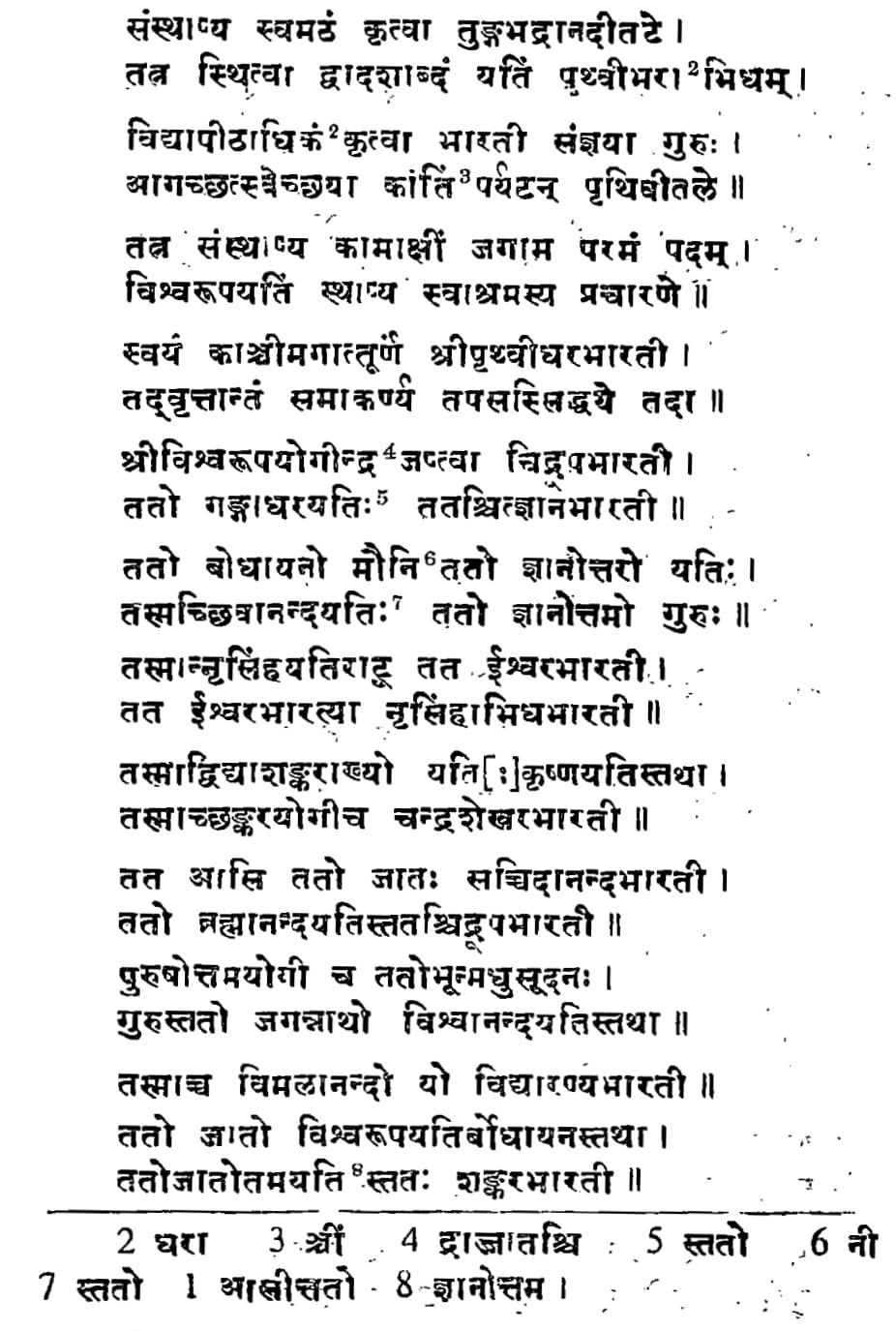
GURUPARAMPARA STOTRAM

संस्थाप्य स्वमठं कृत्वा तुङ्गभद्रा नदीतटे ।

तत्र स्थित्वा द्वादशाब्दं यतिं पृथ्वीधराभिधम् !

विद्यापीठाधिकं कृत्वा भारती संज्ञया गुरुः ।

आगच्छत्स्वेच्छया काञ्चीं पर्यटन् पृथिवीतले ॥

तत्र संस्थाप्य कामाक्षीं जगाम परमं पदम् ।

विश्वरूपयतिं स्थाप्य स्वाश्रमस्य प्रचारणे ॥

स्वयं काञ्चीमगात्तूर्णं श्रीपृथ्वीधरभारती ।

तद्वृत्तान्तं समाकर्ण्य तपसस्सिद्धये तदा ॥

” Having established his own matham there at the banks of Tungabhadra, the Acharya anointed Sri. Prithvidhara, as the head of that monastery, the center for learning and gave Bharatii as his dīksha name.

Later he moved to Kanchipuram on his own will by visiting various kshetras enroute. He established Kamakhi there and attained moksha.

Meanwhile Prithvidhara, after hearing the news of Acharya leaving this world, anointed Viswarūpa as his successor to carry out the activities enshrined in the directives of his Guru, visited kanchi himself very quickly.”

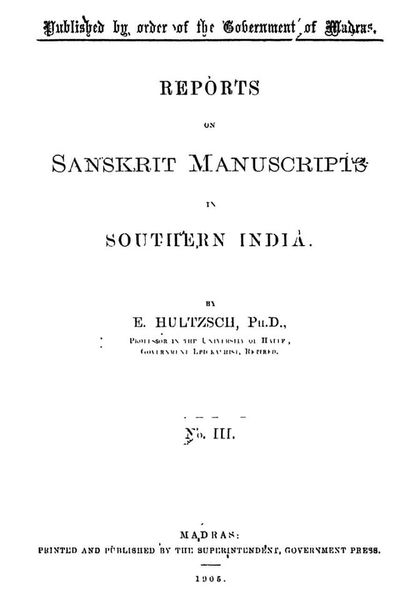
[Manuscript No. 2146 (i) – Jambunatha Bhat Landage Collection – The List of Pontifical Preceptors of the Bharati Ascetic order of the Tungabhadra region forming part of the Reports on Sanskrit Manuscripts in South India, Volume III. (1905). [Vide Madras Govt. Oriental Mss. Library, VI-B, Nos. 18-20.] Published by Dr. E. Hultzsch. (a German scholar) ]